Written by Flowpro | Published June 2025 | Serving Orewa, Auckland & Surrounds
The most important winter plumbing tip for New Zealand homeowners is simple: act before the cold arrives. Auckland winters rarely freeze pipes the way Queenstown winters do, but cold nights, heavy rainfall, and increased hot water demand still cause real plumbing problems every year. This guide walks you through exactly what to check, fix, and prepare before winter sets in across the Auckland region.
Understand How NZ Winters Affect Your Plumbing
New Zealand winters are milder than many countries, but that does not mean your plumbing is safe. Auckland typically sees overnight temperatures drop to 8-12°C from June through August. Exposed pipes in uninsulated spaces, garages, or crawl spaces can still suffer stress from the cold.
The bigger winter risk in Auckland is rainfall. Heavy downpours put pressure on drainage systems, gutters, and stormwater connections. Blockages that were manageable in summer can become urgent during a July storm.
Hot water systems also work harder in winter. Your cylinder uses more energy to maintain temperature, and demand spikes in the mornings. A system that was running fine in summer may start struggling by July.
Understanding these local conditions is the starting point for any good set of winter plumbing tips. Prevention is always cheaper than emergency repairs.
Inspect and Insulate Exposed Pipes Before June
Pipe insulation is one of the most cost-effective winter plumbing tips available. Even in Auckland, exposed pipes in roof cavities, under floors, and in garages can lose heat rapidly overnight. Cold water pipes can also sweat and drip, causing moisture damage to timber framing.
Here is what to look for when inspecting your pipes before winter:
- Check under the house for any pipes that are exposed and unlagged.
- Inspect the roof cavity if your hot water cylinder is located there.
- Look for any pipes running through unheated spaces like garages or laundries.
- Check pipe joints and fittings for existing drips or moisture staining.
- Look for cracks or deterioration in older pipe insulation wrap.
- Check external tap connections, especially on the shaded side of the house.
Pipe lagging (foam insulation wrap) is inexpensive and available at most hardware stores in Auckland. A plumber can install it properly in hard-to-reach areas to make sure every section is covered without gaps.
If you live in the northern Auckland suburbs or on the Hibiscus Coast near Orewa, frost is rare but not impossible on elevated sections. Taking an hour to insulate exposed pipes is worth doing regardless.
Service Your Hot Water Cylinder Before Winter Demand Peaks
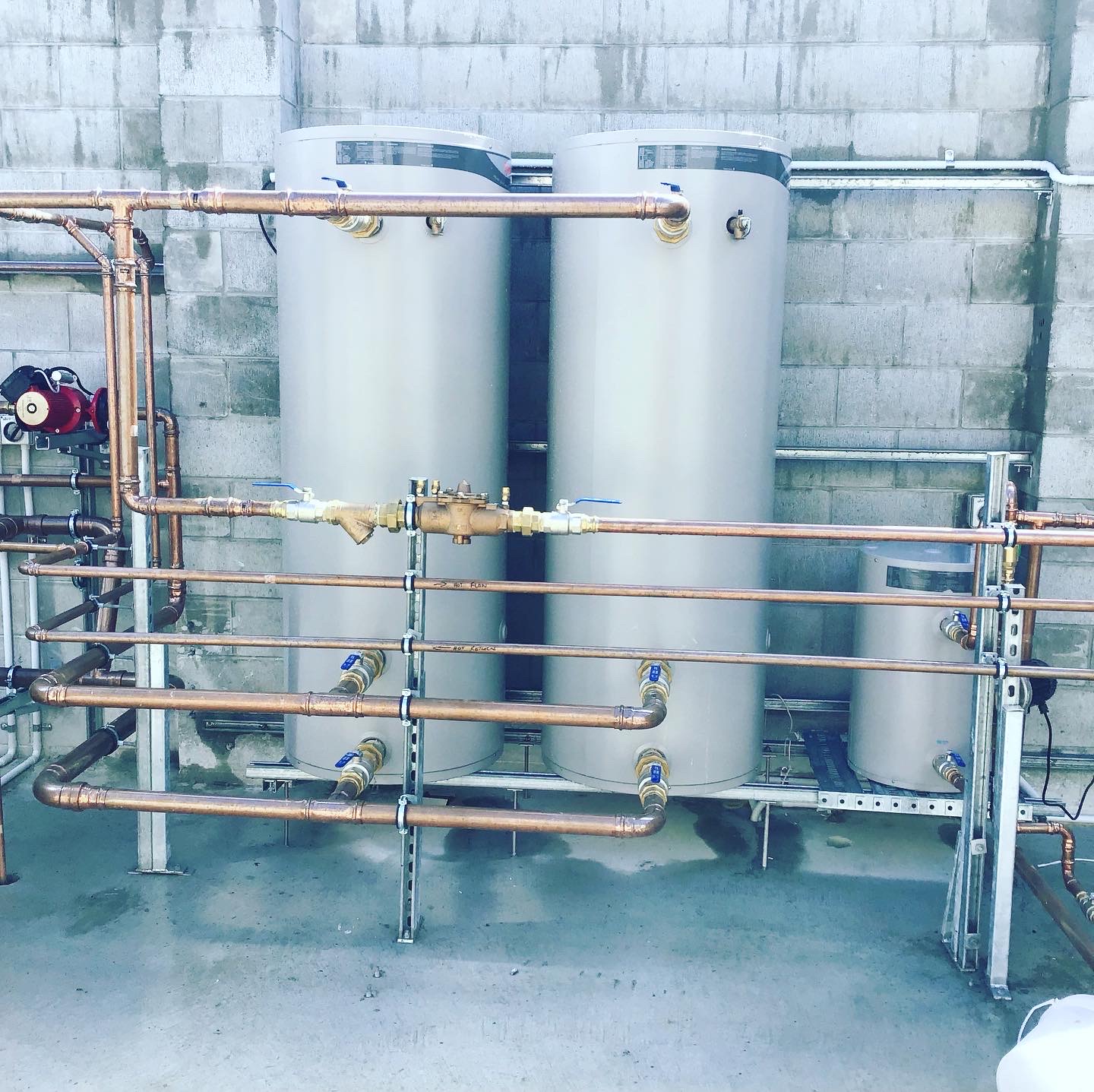
Your hot water cylinder works harder in winter. Cold incoming water means the element or gas burner runs longer to reach the set temperature. A cylinder that has not been serviced in a few years is more likely to fail during peak demand in July than in the middle of summer.
The Flowpro team recommends getting your hot water system checked in April or May, before you actually need it running at full capacity every day.
| Hot Water System Type | Recommended Winter Check | Typical Service Cost (NZ) |
|---|---|---|
| Electric storage cylinder | Check element, thermostat, and anode rod | $150 – $300 |
| Gas storage cylinder | Inspect burner, flue, and gas connections | $180 – $350 |
| Continuous flow (gas) | Check ignition, flow rate, and filter | $150 – $280 |
| Heat pump water heater | Clean filters, check refrigerant levels | $200 – $400 |
| Solar hot water system | Check panels, valves, and backup element | $200 – $380 |
If your cylinder is over 10 years old, winter is a good time to discuss replacement options with a licensed plumber. Modern heat pump cylinders are significantly more efficient and perform well in Auckland’s mild winter climate.
One thing many homeowners overlook is the temperature pressure relief (TPR) valve. This safety valve should be tested annually. A plumber can do this as part of a standard service visit.
Clear Drains and Gutters to Handle Winter Rainfall
Auckland receives an average of around 1,240mm of rainfall per year, with winter months delivering some of the heaviest falls. Blocked drains and gutters during a heavy June or July storm can cause water to back up into your home or pool around foundations.
These are the key drainage tasks to complete before winter:
- Clear leaves and debris from all roof gutters and downpipes.
- Check that stormwater drains around the property are free-flowing.
- Flush all internal floor waste drains with hot water and a drain cleaner.
- Check outdoor area drains and channel drains are not silted up.
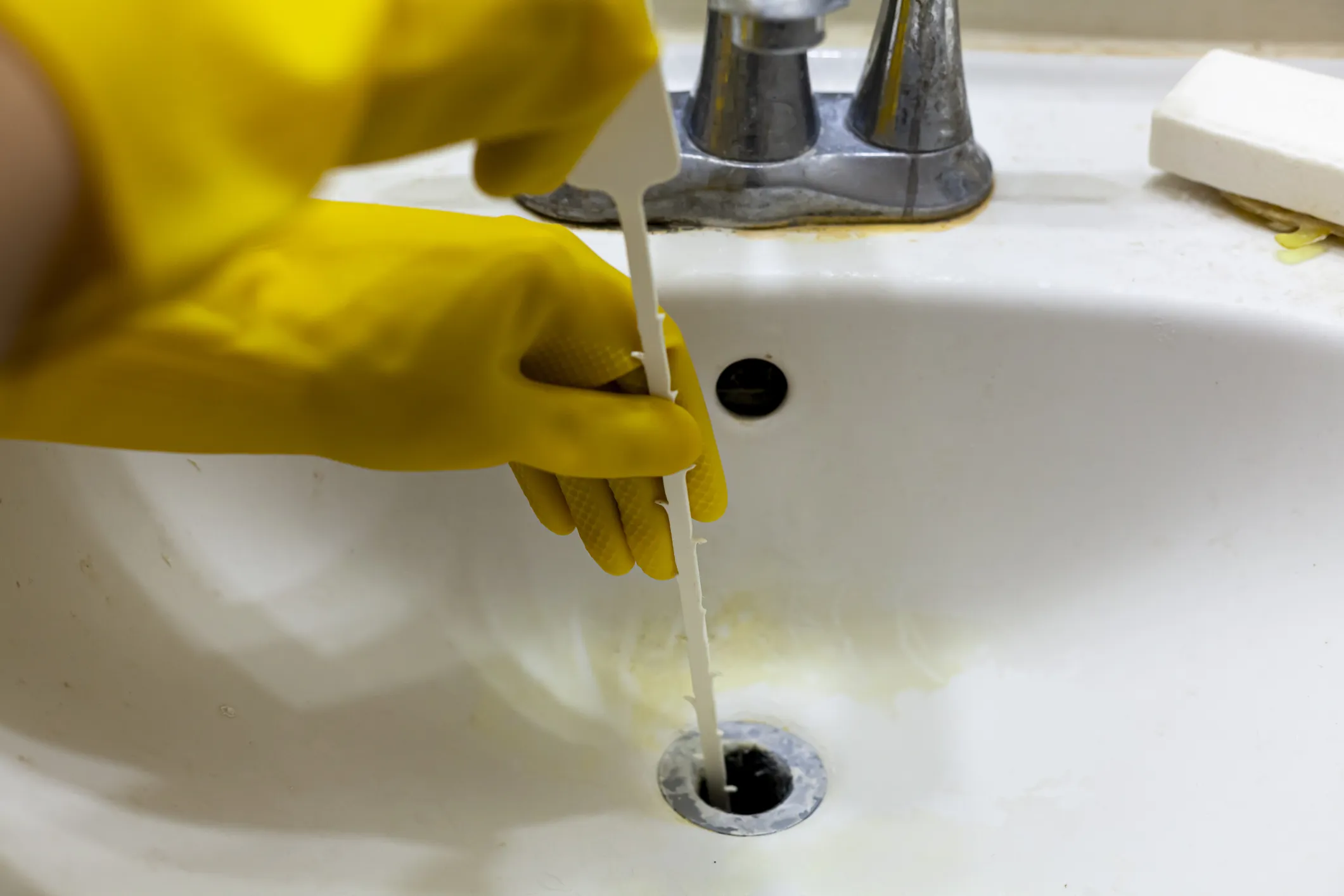
- Look for signs of slow drainage in showers, baths, and laundry tubs.
- If you have a sump pump, test it before the wet season arrives.
Slow drains in winter are not just an inconvenience. Blocked drainage can lead to wastewater backing up into your home during periods of heavy use. Getting a drain inspection done in autumn means you know where you stand before things get urgent.
CCTV drain inspections are a smart investment if your home is older or you have had recurring drain issues. A plumber can identify root intrusion, cracked pipes, or partial blockages that are building up over time.
Compare Common Winter Plumbing Problems and Their Fix Costs
Knowing what issues to expect and what they typically cost to fix helps you budget and prioritise. The table below covers the most common winter plumbing problems Flowpro sees across the Auckland region each year.
| Problem | Common Cause in NZ Winter | Typical Repair Cost (NZ) | Priority Level |
|---|---|---|---|
| Hot water cylinder failure | Aging element or thermostat under increased load | $200 – $2,500+ | High |
| Blocked drain | Grease buildup, leaves, root intrusion | $150 – $600 | Medium-High |
| Leaking tap or pipe joint | Pressure changes, worn washers | $100 – $350 | Medium |
| Overflowing gutter/downpipe | Leaf and debris buildup | $80 – $250 | Medium |
| Low water pressure | Partial blockage or failing pressure reducing valve | $150 – $500 | Medium |
| Burst outdoor tap | Cold nights, old brass fittings | $100 – $280 | Medium |
Emergency call-out fees in Auckland typically range from $150 to $250 on top of the repair cost. Getting preventative checks done in autumn avoids those after-hours rates entirely.
Check Your Outdoor Taps and Irrigation Systems
Outdoor taps are one of the most overlooked parts of winter plumbing preparation. In Auckland, outdoor brassware exposed to wind and cold nights can develop small cracks in fittings over winter. These often go unnoticed until spring when you turn the tap on and find a leak inside the wall.
Here is what to do with outdoor plumbing before winter:
- Turn off irrigation systems and drain any standing water from poly pipe runs.
- Disconnect garden hoses from outdoor taps and store them indoors.
- Check outdoor tap fittings for any existing drips or loose connections.
- If you have a backflow preventer on your irrigation system, have it tested.
- Check any external water meters or toby boxes for pooling water or corrosion.
In New Zealand, all backflow prevention devices on irrigation systems connected to the potable water supply must be tested annually under the Building Act and local council requirements. Auckland Council enforces this for properties with irrigation connections to the mains. A licensed plumber can complete this test and issue the required certificate.
Know When to Call a Licensed Plumber
There is a clear line between DIY winter maintenance and work that legally requires a licensed plumber in New Zealand. Under the Plumbers, Gasfitters and Drainlayers Act 2006, all sanitary plumbing and drainlaying work must be carried out by a licensed tradesperson.
You can do these things yourself:
- Clear leaves from gutters and outdoor drains.
- Wrap exposed pipes with foam lagging from the hardware store.
- Pour boiling water and drain cleaner down slow household drains.
- Replace a showerhead or tap aerator.
You must call a licensed plumber for:
- Any work on your hot water cylinder, including element replacement.
- Repairing or replacing pipes inside walls or under the floor.
- Any gas plumbing work on gas hot water systems.
- Installing or relocating any sanitary fixtures.
- Drain repairs or relining.
Flowpro is a licensed plumbing company based in Orewa, serving the Hibiscus Coast and greater Auckland. All work is carried out by registered tradespeople and backed with proper compliance documentation where required.
FAQs on Winter Plumbing Tips
Do pipes freeze in Auckland during winter?
Auckland rarely gets temperatures cold enough to freeze pipes, but it does happen occasionally on elevated or exposed properties, especially overnight. Pipes in uninsulated roof cavities, garages, or crawl spaces are most at risk. Wrapping exposed pipes with foam lagging is an easy and cheap precaution worth taking.
How often should I service my hot water cylinder in NZ?
Most plumbing professionals recommend a check every 2-3 years for electric cylinders and annually for gas systems. The temperature pressure relief valve should be tested at every service visit. If your cylinder is over 10-12 years old, get it assessed before winter, as failure rates increase significantly with age.
What is the best way to prevent blocked drains in winter?
The most effective approach is to clear gutters and outdoor drains before the wet season arrives and to avoid pouring fats or oils down kitchen sinks year-round. Using a drain strainer in showers and the laundry tub also reduces the buildup that leads to blockages during heavy-use winter months.
Can I insulate my own pipes or do I need a plumber?
You can insulate accessible pipes yourself using foam pipe lagging available from hardware stores like Bunnings or PlaceMakers. However, a plumber should handle insulation in confined roof spaces or any work that requires accessing pipes inside walls or under floors. Getting a plumber to check first ensures nothing is missed.
Why is my water pressure low in winter?
Low water pressure in winter can be caused by a partially blocked filter on your pressure reducing valve, sediment buildup in pipes, or increased demand across the local network during cold mornings. If the pressure drops suddenly or is consistently worse than before, call a licensed plumber to diagnose it properly.
How much does a winter plumbing check cost in Auckland?
A general plumbing inspection and service visit in Auckland typically costs between $150 and $300 depending on the scope of work. If issues are found, repairs are quoted separately. Many homeowners find the cost of a pre-winter check is far less than a single emergency call-out fee in the middle of July.
Wrap Up and Next Steps
The best winter plumbing tips all point in the same direction: act early, check the obvious things, and get a licensed plumber involved for anything that matters. Insulating pipes, servicing your hot water system, clearing drains, and checking outdoor taps are all tasks that pay for themselves by avoiding winter emergencies.
If you are based in Auckland, the Hibiscus Coast, or anywhere near Orewa, the Flowpro team is ready to help you get winter-ready. We offer hot water system servicing, drain inspections, pipe work, and general plumbing checks across the region.
Call Flowpro today or use our online booking form to schedule a pre-winter plumbing check. Getting in early means you beat the winter rush and head into the cold months with full confidence in your home’s plumbing.