Written by Flowpro | Published on June 2025
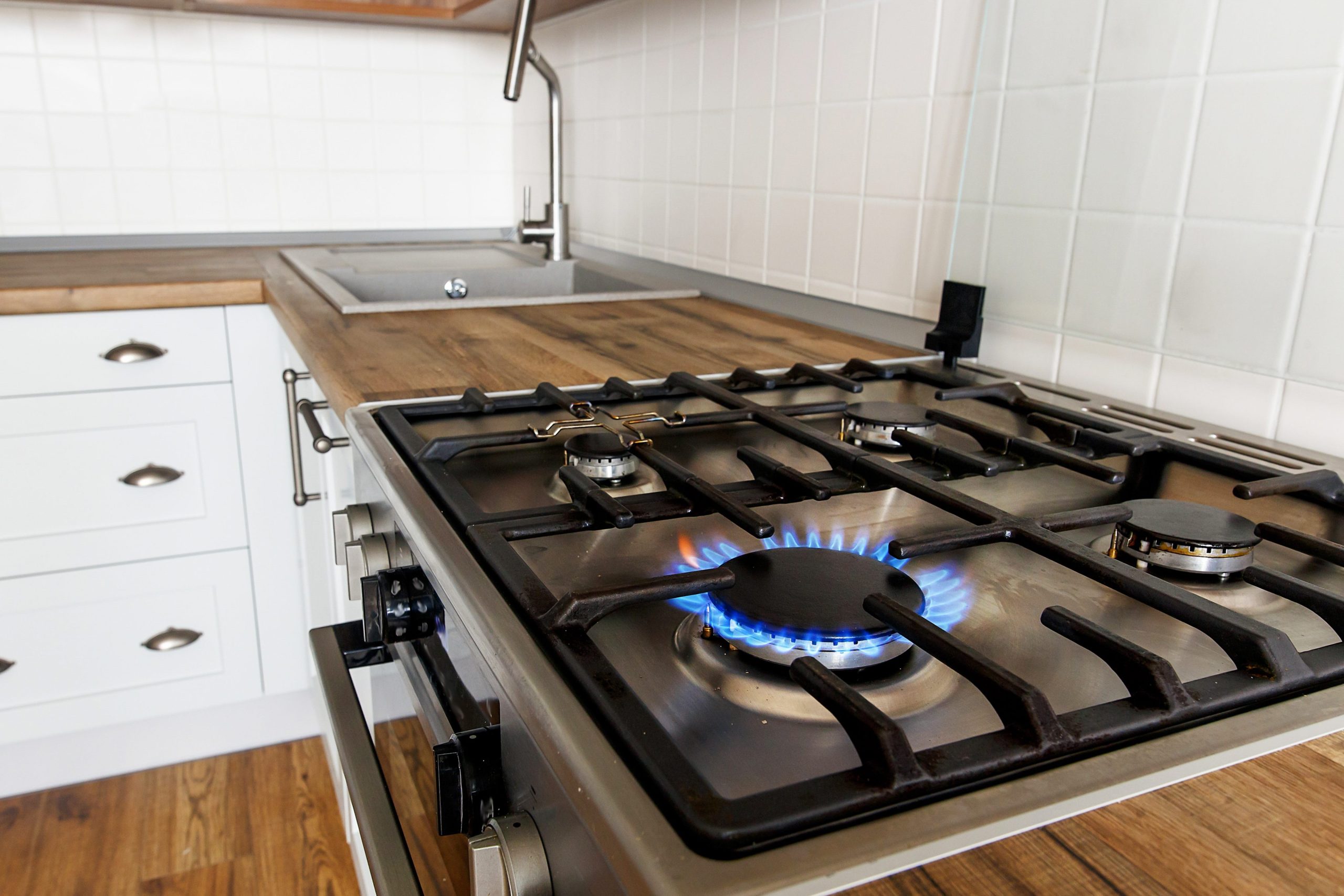
Installing a gas hob in New Zealand requires work carried out by a licensed gasfitter, a compliance certificate issued after the job, and clearance distances that meet the New Zealand Building Code. This article covers all the key gas stove installation requirements you need to know before booking a job in Auckland or anywhere in the country.
Understand the Legal Requirements for Gas Hob Installation in New Zealand
In New Zealand, all gas appliance installations are regulated under the Gas Act 1992 and the Gas (Safety and Measurement) Regulations 2010. These laws exist to protect you, your family, and your home from gas leaks, fires, and carbon monoxide risks.
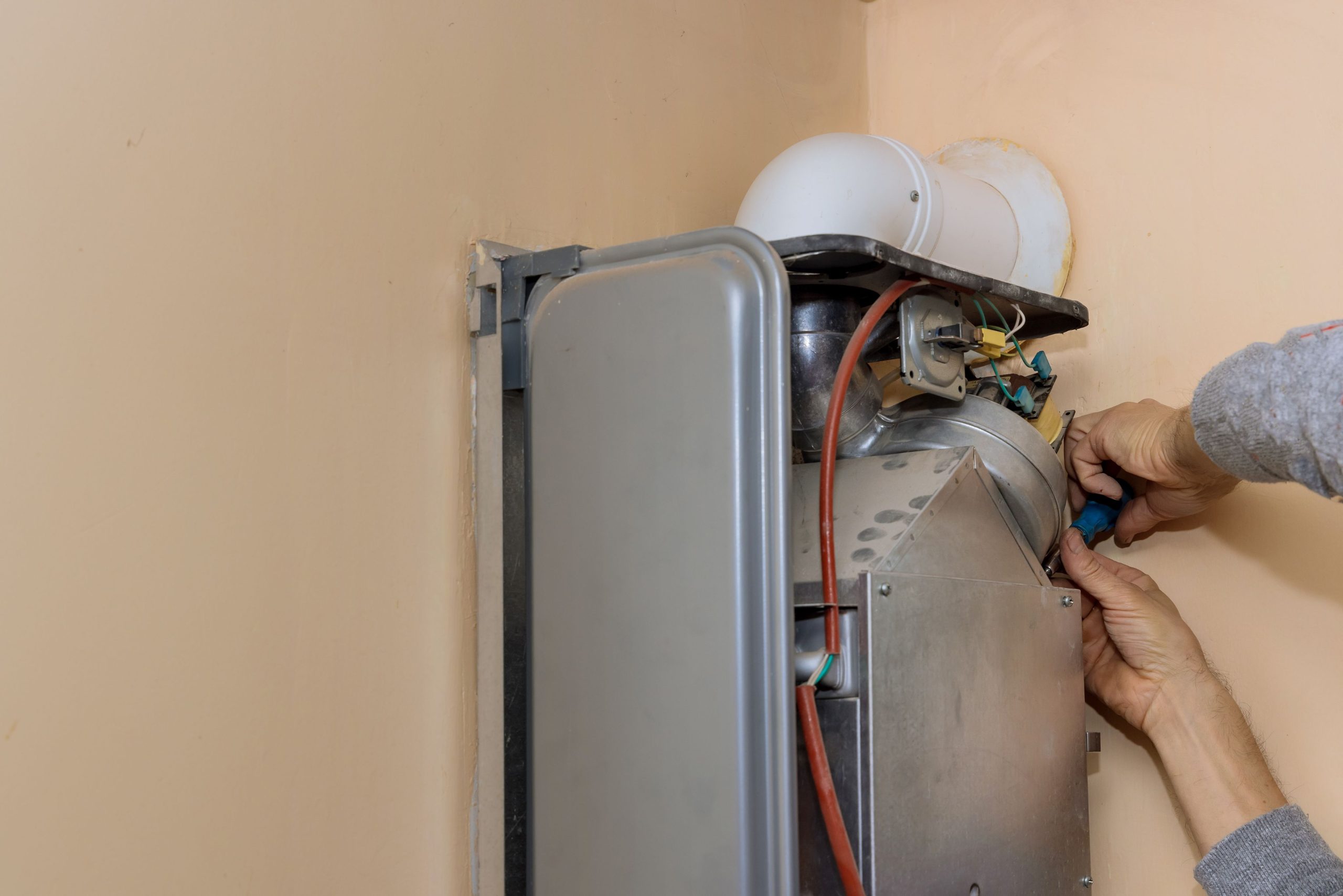
The most important rule is this: only a licensed gasfitter can legally connect a gas hob to your supply. A licensed gasfitter is someone registered with the Plumbers, Gasfitters and Drainlayers Board (PGDB). Hiring an unlicensed person is illegal and will void your home insurance.
Once the installation is complete, the gasfitter must issue a Certificate of Compliance (CoC). This document proves the work was done to code. Keep it in a safe place. You may need it when selling your home or making an insurance claim.
- Only PGDB-licensed gasfitters can connect gas appliances legally
- A Certificate of Compliance must be issued after every installation
- Work must meet the New Zealand Building Code Clause G10 (piped services)
- LPG and natural gas installations follow the same licensing rules
- Unlicensed gas work voids home and contents insurance
Know the Clearance and Ventilation Requirements for Gas Hobs
Clearance distances are a critical part of gas stove installation requirements. These are the minimum distances your hob must maintain from combustible materials like cabinetry, rangehoods, and walls. Getting these wrong is a fire hazard and a building code violation.
New Zealand follows AS/NZS 5601.1, the Australian and New Zealand Gas Installations Standard. This standard specifies the exact clearances required for gas cooking appliances.
| Location | Minimum Clearance |
|---|---|
| Side wall to hob edge | 200mm |
| Combustible surface above hob | 650mm (without rangehood) |
| Rangehood above hob (combustible) | 600mm minimum |
| Non-combustible surface above hob | 450mm |
| Hob to adjacent combustible wall | 200mm |
Ventilation is equally important. Gas combustion produces carbon monoxide and water vapour. Your kitchen needs enough air flow to support the burners and remove combustion gases safely.
A rangehood vented to the outside is the most effective solution. If your kitchen has no rangehood, your gasfitter will assess whether the room has enough natural ventilation to meet the standard. In many Auckland homes, older kitchens may need upgrades before a new hob can be installed.
Compare LPG vs Natural Gas Installation Requirements
The type of gas supply you have affects the installation process. Auckland homes are connected to natural gas via Vector’s gas network in most urban areas. Homes in Orewa and along the Hibiscus Coast sometimes rely on LPG bottles instead.
Both fuels require a licensed gasfitter, but there are some practical differences you should know about before booking your installation.
| Factor | Natural Gas | LPG |
|---|---|---|
| Supply connection | Mains network (Vector) | Bottles or tank on-site |
| Hob configuration | Natural gas injectors fitted | LPG injectors required |
| Pressure regulation | Regulated at meter | Regulator on bottle/tank |
| Bottle storage rules | Not applicable | Must meet AS/NZS 5601 siting rules |
| Ongoing supply cost | Monthly billing | Per-bottle/per-fill pricing |
| Availability in Orewa area | Limited in some streets | Widely available |
Most gas hobs sold in New Zealand are configured for natural gas by default. If you are on LPG, your gasfitter will need to swap the injectors and adjust the burner pressure. This is a normal part of the process and should be included in any quote you receive.
Flowpro installs gas hobs across Auckland, including in areas where LPG is the only option. Our team carries conversion kits for the most common hob brands so there are no delays on installation day.
Review Typical Costs for Gas Hob Installation in Auckland
Cost is one of the first things homeowners ask about. Gas hob installation pricing in Auckland depends on whether you already have a gas connection in the kitchen, the complexity of the job, and whether any pipework needs extending or upgrading.
- Basic gas hob swap (existing gas point): $180 to $320 including CoC
- New gas point installation in kitchen (no existing pipework): $400 to $900+
- LPG injector conversion (if switching from natural gas hob): $50 to $120 extra
- Rangehood installation alongside hob: $150 to $400 depending on type
- Emergency or after-hours callout surcharge: $80 to $150 extra
These are indicative ranges for the Auckland market as of 2025. Prices vary between gasfitting companies. Always ask for a written quote that includes labour, materials, and the compliance certificate fee. A quote that excludes the CoC is missing a legal requirement.
If you are renovating a kitchen from scratch and need new gas pipework run from the meter to the cook top location, budget at the higher end. Running pipe through cabinetry, walls, or under floors adds time and materials to the job.
Follow These Steps to Prepare for Your Gas Hob Installation
Getting ready before the gasfitter arrives will save time and reduce costs. A well-prepared installation site helps the tradesperson work efficiently and avoids delays that can add to your bill.
- Confirm your hob dimensions match the cutout in your benchtop. Standard sizes are 60cm and 90cm wide, but measure before ordering.
- Check whether your existing gas point is close enough to the hob location. The flexible connector must not be stretched or kinked.
- Remove everything from the cabinet below the hob so the gasfitter can access the pipework easily.
- Make sure the area is well lit. If the cabinet is dark, have a torch available.
- Have your existing compliance documents ready if you are replacing an older hob. This helps the gasfitter understand the existing setup.
- Confirm the hob brand and model with your gasfitter beforehand so they can bring the right conversion kit if needed.
If you are installing a brand-new hob where no gas point exists, the gasfitter will need access to trace the existing gas pipework. In older Auckland homes, this sometimes means lifting floorboards or accessing ceiling cavities. Plan for this in your timeline.
Flowpro recommends booking your installation at least a few days after your hob is delivered. This gives you time to check the unit for damage before the tradesperson arrives.
Identify Common Reasons Gas Hob Installations Fail Inspection
Not every gas installation passes first time. Understanding common failure points helps you choose a good gasfitter and ask the right questions before work starts.
- Insufficient clearance between the hob and combustible surfaces above or beside it
- Flexible connectors that are too long, kinked, or running through enclosed cavities
- No visible gas isolation valve within reach of the appliance
- Incorrect injectors fitted for the gas type being supplied
- Poor ventilation in the kitchen that does not meet AS/NZS 5601.1
- Using fittings or hose assemblies that are not rated for gas use in New Zealand
An accessible isolation valve is a requirement many homeowners overlook. There must be a way to shut off gas to the hob quickly in an emergency. Your gasfitter will install one if there is not already one present.
If you are buying a second-hand hob or importing one from Australia, check that it carries a New Zealand approval mark. Appliances must be approved for use in New Zealand under the Gas (Safety and Measurement) Regulations. Using an unapproved appliance is illegal even if the gas connection is done by a licensed gasfitter.
FAQs on Gas Stove Installation Requirements
Can I install a gas hob myself in New Zealand?
No. Connecting a gas hob to a gas supply is restricted work under New Zealand law. Only a licensed gasfitter registered with the PGDB can legally do this. You can unbox the hob and place it in the cutout, but all gas connections must be made by a licensed professional.
How long does a gas hob installation take?
A straightforward swap of an existing gas hob typically takes one to two hours. If new pipework needs to be run or the kitchen has no existing gas point, allow half a day or more. Your gasfitter can give you a more accurate time estimate once they have seen the site.
Do I need a building consent to install a gas hob in Auckland?
In most cases, no building consent is required for a like-for-like gas hob replacement. However, if you are installing gas cooking for the first time in a kitchen, or making significant changes to the gas pipework, you should check with Auckland Council. Your gasfitter can also advise on whether consent is needed for your specific job.
What is a Certificate of Compliance and why do I need it?
A Certificate of Compliance is a legal document issued by the licensed gasfitter confirming the installation meets the required standards. You need it for insurance purposes and when selling your home. If your gasfitter does not offer to issue one, that is a serious warning sign.
Can I use a gas hob with an LPG bottle if I am not connected to natural gas?
Yes. Many homes in Orewa and the Hibiscus Coast area use LPG bottles for gas cooking. The hob must be fitted with LPG injectors rather than natural gas injectors, and the bottle and regulator setup must comply with AS/NZS 5601.1. A licensed gasfitter handles all of this during installation.
How do I find out if my Auckland suburb has access to natural gas?
Vector Gas manages the natural gas network across most of urban Auckland. You can check availability on the Vector website using your address. If your street is not connected, LPG is the alternative. Flowpro can help you assess the best option for your home before you purchase a hob.
Wrap Up and Next Steps
Gas stove installation requirements in New Zealand are clear: licensed gasfitter, correct clearances, proper ventilation, and a Certificate of Compliance at the end. Getting these right protects your home, your family, and your insurance cover.
If you are planning a gas hob installation in Auckland or the Hibiscus Coast area, Flowpro is here to help. Our licensed gasfitters cover Orewa, the North Shore, and greater Auckland, and we provide written quotes with compliance documentation included.
Call Flowpro today or request a quote online to get your gas hob installed safely and to code.