Written by Flowpro | Published on June 2025
If you smell gas at home, the most important thing to do is stop what you are doing, get everyone out of the house, and call your gas supplier or 111 once you are safely outside. Do not switch any lights on or off, do not use your phone indoors, and do not go back inside until a qualified professional gives you the all-clear.
This guide covers every step you need to take in a gas leak situation, from recognising the early warning signs to understanding what happens during a professional gas safety check. Whether you are in Orewa, North Shore, or anywhere across Auckland, these steps could save your life.
Recognise the warning signs of a gas leak
Natural gas and LPG are both odourless in their natural state. Gas companies add a chemical called mercaptan, which gives gas that distinct rotten egg or sulphur smell. That smell is your first and most important warning sign.
But smell is not the only indicator. Here are the key signs to watch for in your home:
- A strong smell of rotten eggs or sulphur near appliances, pipes, or outside your home
- A hissing or whistling sound coming from a gas line or appliance
- Dead or discoloured patches of grass or plants directly above buried gas lines
- Bubbling in puddles or wet soil near your property
- Unexplained physical symptoms like dizziness, nausea, headaches, or fatigue when indoors
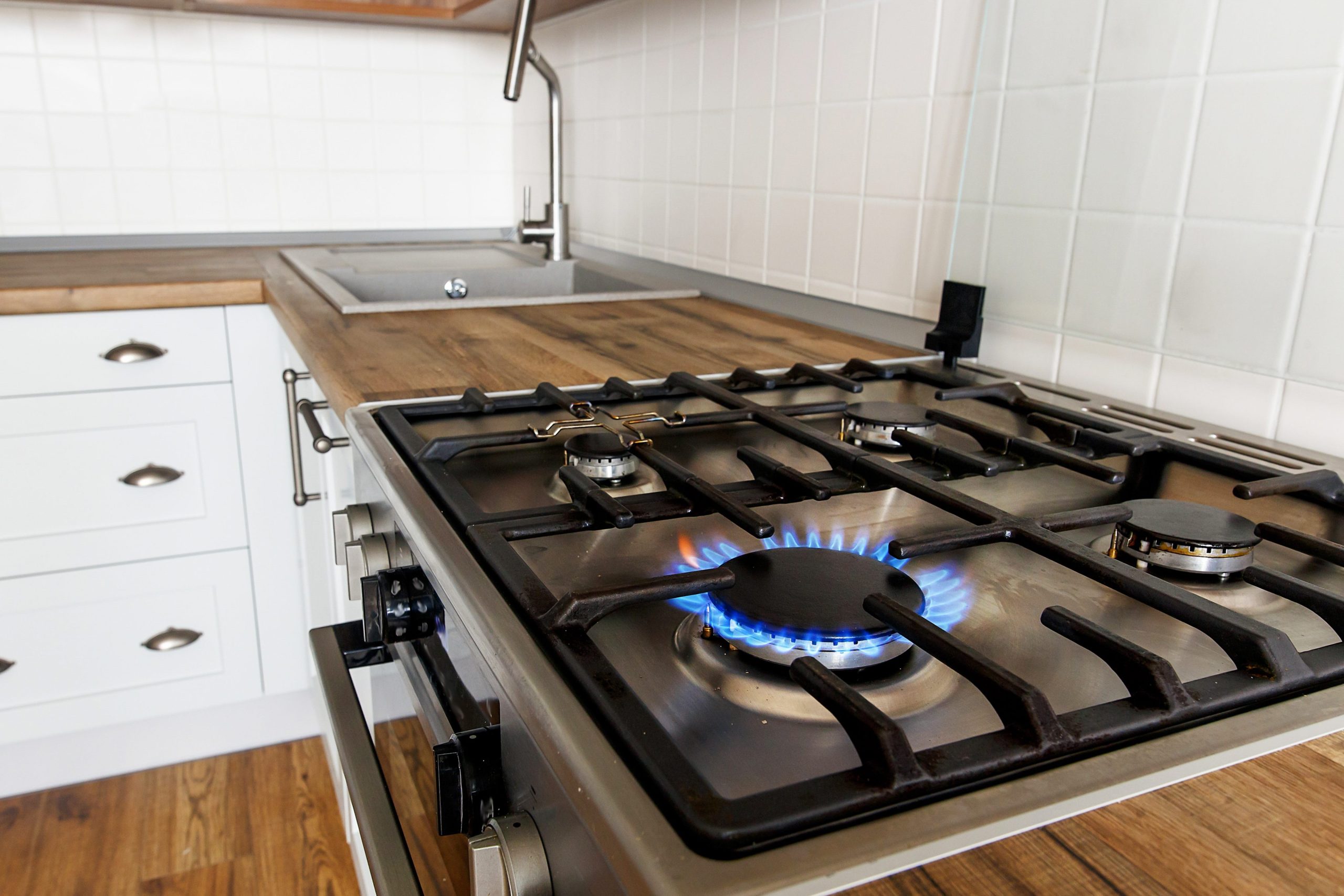
- Flames that appear orange or yellow instead of the normal blue on your gas hob or burner
If you notice any combination of these signs, treat it as a potential emergency immediately. Do not wait to confirm it. The risk of explosion or carbon monoxide poisoning is real and fast-moving.
Follow these exact steps if you suspect a gas leak
Knowing gas leak what to do in the moment is critical. Seconds matter in a gas emergency. Follow these steps in order and do not skip any of them.
- Stop all activity immediately. Do not finish cooking, using power tools, or anything else. Stop and focus.
- Do not operate any electrical switches. That includes light switches, power points, fans, and appliances. A tiny spark is enough to ignite gas.
- Do not use your mobile phone indoors. Step outside first, then make your calls.
- Alert everyone in the building. Tell all household members and any visitors to leave calmly and quickly.
- Leave all doors and windows open as you exit. This helps ventilate the space and reduce gas concentration.
- Turn off the gas at the meter if it is safe and quick to do so. The meter is usually outside or in an accessible utility area. Turn the valve a quarter turn so it sits crossways to the pipe.
- Move well away from the building. Go to a neighbour’s house or across the street.
- Call your gas supplier or 111. In New Zealand, contact your gas retailer’s emergency line or dial 111 if there is immediate danger.
- Wait for clearance before re-entering. A gas technician or Fire and Emergency NZ must confirm it is safe to go back inside.
At Flowpro, we respond to gas safety calls across Auckland and the Hibiscus Coast. If you need a licensed gasfitter to inspect your system after an incident, we can get there fast.
Understand what NOT to do during a gas leak
People often make dangerous mistakes in the panic of a gas leak. Knowing what to avoid is just as important as knowing what to do.
| Common Mistake | Why It Is Dangerous |
|---|---|
| Switching lights on or off | Electrical sparks can ignite accumulated gas instantly |
| Using your phone inside the building | Mobile devices can create a small electrical charge that ignites gas |
| Opening the fridge or freezer | The motor and internal light create spark risks |
| Smoking or using a lighter near the area | Naked flames are an immediate ignition source |
| Starting your car in an attached garage | Vehicle ignition creates sparks and exhaust fumes worsen the hazard |
| Re-entering to grab belongings | Gas can accumulate rapidly and you may lose consciousness quickly |
| Trying to fix the leak yourself | Only licensed gasfitters can legally work on gas lines in New Zealand |
The urge to grab your wallet, your pet, or your laptop before leaving is natural. But gas can render a person unconscious within minutes in a confined space. Leave first. Everything else can wait.
Know New Zealand gas regulations and your rights as a homeowner
In New Zealand, all gas work must be carried out by a licensed gasfitter registered with the Plumbers, Gasfitters and Drainlayers Board (PGDB). This is not optional. It is a legal requirement under the Plumbers, Gasfitters, and Drainlayers Act 2006.
This means you cannot legally repair a gas leak yourself, and you should not hire anyone who is not licensed. Always ask for a gasfitter’s licence number before work begins.
Here is how the regulatory framework applies to Auckland homeowners:
- All gas appliance installations must comply with NZS 5261, the New Zealand standard for gas installations.
- Landlords in Auckland are legally required to ensure gas appliances are safe and maintained under the Residential Tenancies Act.
- After any significant gas leak, your gas retailer or network operator may require a safety inspection before reconnecting your supply.
- If you are renting and smell gas, you still follow the same emergency steps. Notify your landlord after you are safely outside.
- Gas appliances should be professionally serviced every one to two years as a general safety guideline.
The Orewa and wider Hibiscus Coast area has a mix of older homes with ageing gas infrastructure and newer builds. Both carry risks. Older fittings can corrode or fail, and newer installations need proper commissioning to avoid issues down the track.
Compare gas leak risks by appliance type
Not all gas leaks come from the same source. Understanding where leaks are most likely to occur helps you know where to focus your attention during routine checks.
| Appliance or Location | Common Cause of Leak | Risk Level | Recommended Action |
|---|---|---|---|
| Gas hob or cooktop | Worn burner seals, cracked fittings | High (frequent use) | Annual service by gasfitter |
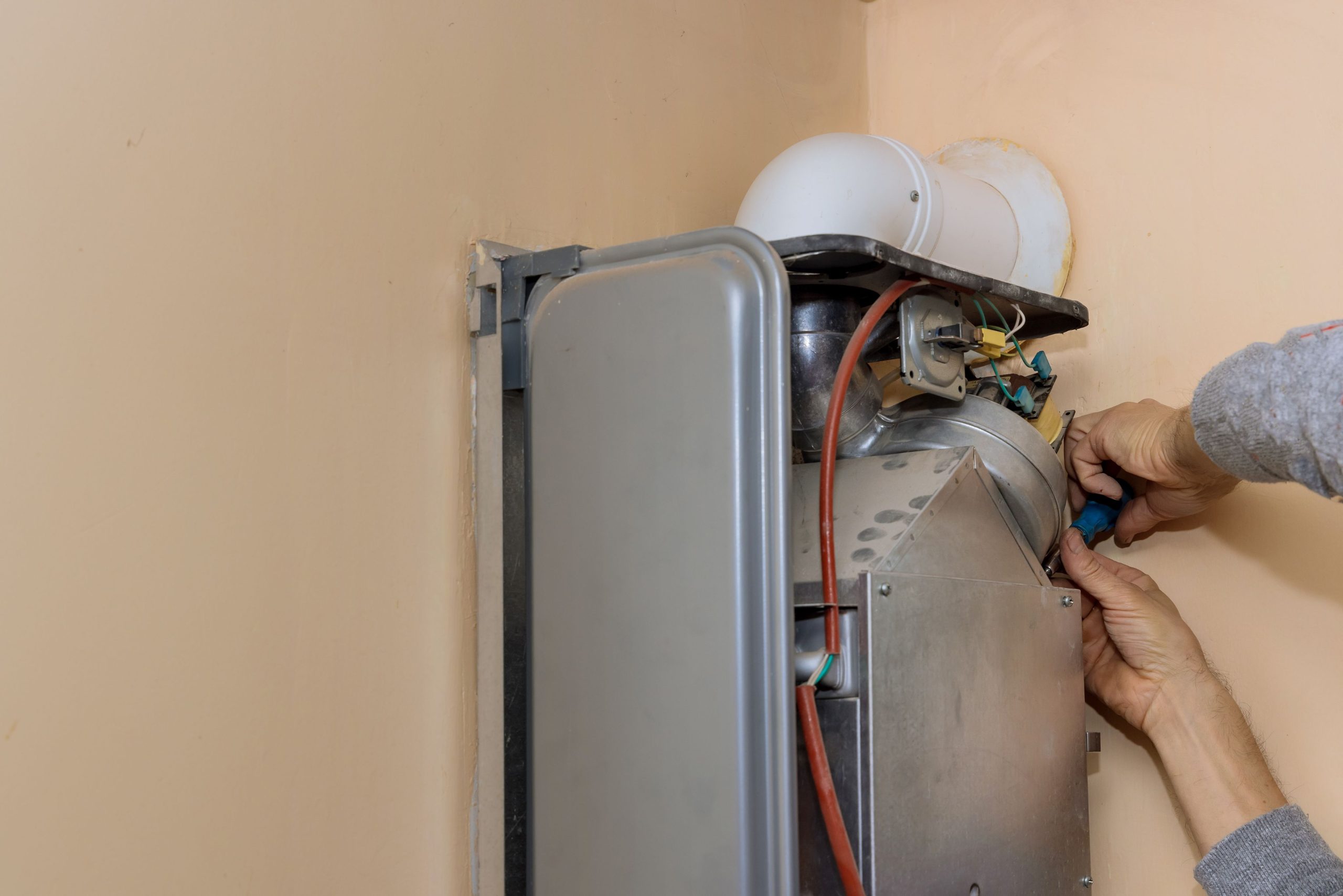
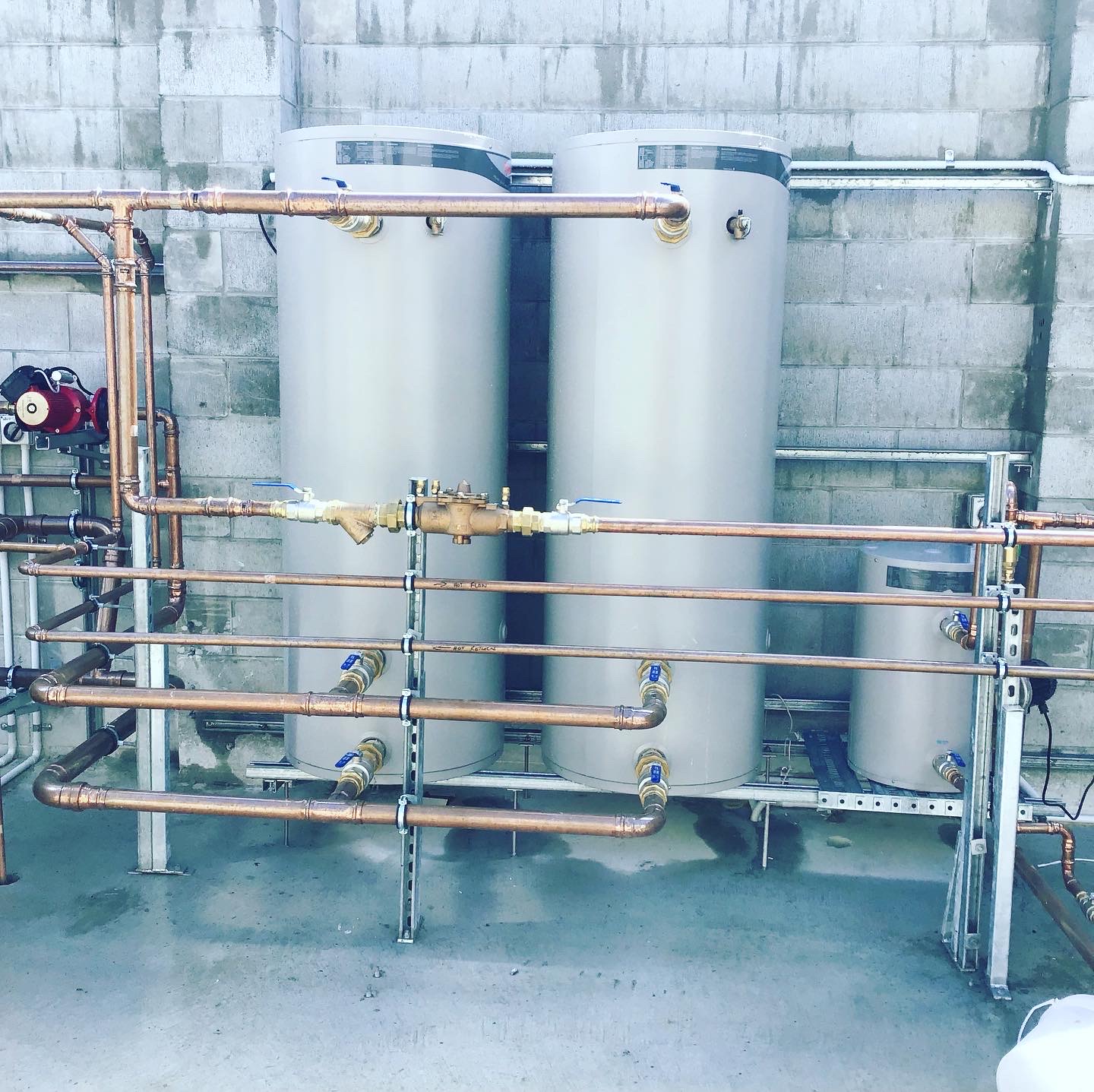
| Gas hot water cylinder | Corroded connections, faulty valve | High (often in enclosed space) | Annual inspection, check for discolouration |
| Gas heater or fireplace | Damaged flue, loose connections | Medium to high | Service before winter season each year |
| LPG bottles and regulators | Old regulators, damaged hose | Medium | Replace regulator every 10 years, check hoses annually |
| Gas meter and external pipework | Ground movement, corrosion | Medium | Contact gas network operator if suspected |
| Underground supply pipes | Ground settlement, tree root damage | Lower but hard to detect | Professional inspection if signs appear above ground |
Auckland’s clay soils and frequent rainfall can cause ground movement over time. This can put stress on underground gas lines, particularly in older suburbs. If you notice dead patches in your lawn above where you know a gas line runs, do not ignore it.
Get a professional gas safety inspection after any incident
Once the immediate emergency is resolved and you have been cleared to re-enter your home, the next step is a full gas safety inspection by a licensed gasfitter. This is not just a precaution. It is often required before your gas supplier will reconnect your service.
A professional gas safety inspection typically covers:
- Pressure testing all visible gas lines for leaks
- Checking all appliance connections and fittings
- Inspecting flues and ventilation for blockages or damage
- Testing gas appliances for correct operation and flame quality
- Checking LPG regulator condition and hose integrity if applicable
- Issuing a Certificate of Compliance if the system passes inspection
In Auckland, a standard gas safety inspection typically costs between $150 and $350 depending on the size of your home and the number of appliances. If repairs are needed, costs will vary based on the work required.
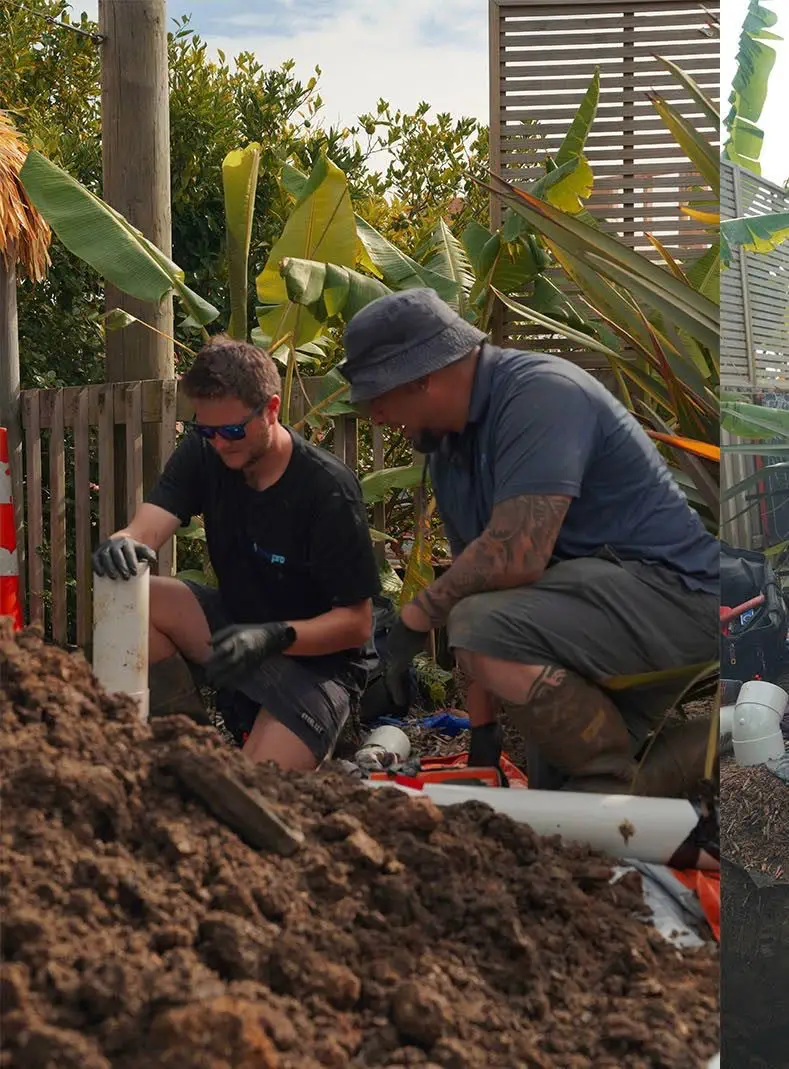
Flowpro’s licensed gasfitters serve Orewa, Silverdale, Albany, and across the greater Auckland region. We can carry out a full inspection and issue the necessary compliance documentation so your gas supply can be reconnected without delay.
FAQs on gas leak what to do
How do I know if I have a gas leak if I cannot smell anything?
Not everyone can detect the mercaptan smell added to gas, especially after prolonged exposure or if you have a reduced sense of smell. Look for other signs like a hissing sound near appliances, dead vegetation above buried lines, or unexplained physical symptoms like headaches and dizziness indoors. A licensed gasfitter can perform a pressure test to confirm whether a leak exists.
Can I turn the gas off myself during a leak?
Yes, you can turn off the gas at the meter if it is safe, quick, and accessible on your way out. Turn the valve a quarter turn so it sits perpendicular to the pipe. However, do not spend time searching for the meter if it is not immediately accessible. Getting out of the building safely is the priority.
What happens after I call 111 for a gas leak in Auckland?
Fire and Emergency New Zealand (FENZ) will respond and assess the scene. They will ventilate the area, confirm whether gas is present, and coordinate with your gas network operator if needed. You will not be allowed back inside until the scene is declared safe. Your gas supply may be shut off at the street level until a licensed gasfitter completes a safety check.
How long does a gas safety inspection take?
A typical residential gas safety inspection in Auckland takes between one and two hours, depending on the number of appliances and the complexity of your gas system. If repairs or replacements are needed, additional time will be required. Flowpro aims to complete inspections efficiently so your home can be returned to normal operation as quickly as possible.
Is my landlord responsible for gas safety in a rental property?
Yes. Under New Zealand’s Residential Tenancies Act and the Healthy Homes Standards, landlords are responsible for ensuring gas appliances are safe, functional, and properly maintained. If you are a tenant and smell gas, follow the emergency steps immediately and notify your landlord once you are safely outside. Landlords must arrange a licensed gasfitter to inspect and repair the issue.
How much does it cost to repair a gas leak in Auckland?
Repair costs vary significantly depending on where the leak is and what caused it. A simple fitting replacement might cost $100 to $200, while a corroded underground pipe section could run into several thousand dollars. Most licensed gasfitters in Auckland charge a callout fee of $80 to $150 plus labour and parts. Getting a written quote before work starts is always a good idea.
Wrap up and next steps
Knowing gas leak what to do before an emergency happens is one of the most valuable things you can do as a homeowner. The key actions are simple: get out, do not touch switches, call for help from outside, and wait for a professional to clear the property.
Once the immediate danger has passed, a licensed gasfitter needs to inspect your system before you use gas again. Flowpro’s team operates across Auckland and the Hibiscus Coast, including Orewa and Silverdale, and we are ready to respond quickly when you need us.
Call Flowpro today to book a gas safety inspection or to speak with a licensed gasfitter about any concerns you have with your gas system. Do not leave it to chance.