Written by Flowpro | Published on July 2025
A slow draining bathroom sink is almost always caused by a partial blockage from hair, soap scum, or toothpaste buildup sitting in the drain or P-trap. In most Auckland homes, this is something you can diagnose and often fix yourself in under 30 minutes. This article covers the most common causes, practical DIY fixes, and when to call a licensed plumber.
Identify the Most Common Causes of a Slow Draining Bathroom Sink
Before grabbing any tools, it helps to understand what is actually slowing your drain. The cause will determine the best fix, and guessing wrong can make things worse.
Here are the most common culprits behind a slow draining bathroom sink in New Zealand homes:
- Hair buildup: The number one cause. Hair tangles around the drain stopper or inside the pipe and catches everything else that flows past it.
- Soap scum: Bar soap leaves a waxy residue that sticks to pipe walls and narrows the drain opening over time.
- Toothpaste and product residue: Daily use of toothpaste, shaving cream, and face wash adds up quickly, especially in pipes that are not rinsed with hot water regularly.
- A partially closed or stuck pop-up stopper: The mechanical drain stopper under the faucet can shift or corrode and sit too low, restricting water flow.
- Blocked P-trap: The curved pipe beneath the sink collects debris and can become blocked, especially in older Auckland villas with narrower drain pipes.
- Ventilation issues: A blocked plumbing vent can slow drainage across multiple fixtures. This is less common but does occur in older homes around the North Shore and Hibiscus Coast.
Once you have a sense of what you are dealing with, you can choose the right approach to fix it.
Try These DIY Fixes Before Calling a Plumber
Most slow draining bathroom sink problems can be resolved at home without any specialist equipment. Start with the simplest fix first and work your way down the list.
1. Remove and clean the drain stopper
Many bathroom sinks have a pop-up stopper linked to a rod behind the faucet. Lift or unscrew the stopper and remove the hair and gunk that has collected around it. This single step fixes the problem more often than not.
2. Use a drain snake or hair catcher tool
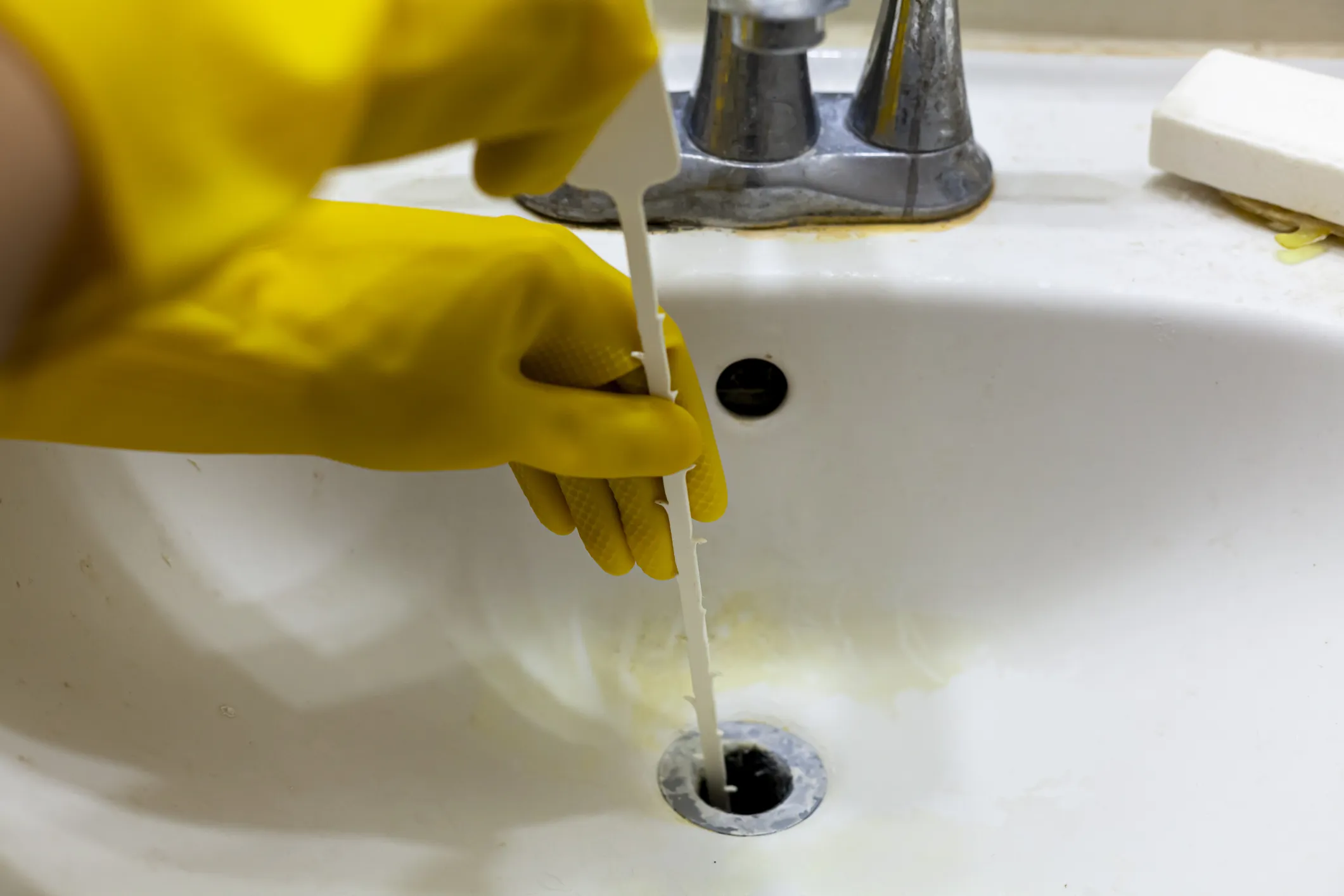
A plastic drain snake (sometimes called a Zip-It tool) costs around $5 to $15 at Mitre 10 or Bunnings and is very effective. Insert it into the drain, twist it, and pull out the blockage. It is low effort and works well on hair clogs.
3. Pour boiling water down the drain
Boiling water can dissolve soap scum and light grease. Pour it slowly in two or three stages, giving it time to work between pours. Do not use this method if you have PVC pipes, as very high temperatures can soften the joints over time.
4. Use baking soda and white vinegar
Pour half a cup of baking soda into the drain, followed by half a cup of white vinegar. Let it fizz for 15 minutes, then flush with hot water. This is a good maintenance step for slow drains caused by soap and product residue.
5. Clean out the P-trap
Place a bucket under the curved pipe beneath your sink. Unscrew the slip nuts by hand or with a wrench, remove the P-trap, clear out any debris, and reattach it. This takes about 10 minutes and fixes blockages that sit deeper than the drain opening.
If none of these steps improve your slow draining bathroom sink, it is time to look at whether the blockage is further down the line.
Compare DIY Methods vs Professional Drain Clearing
Not every slow drain needs a plumber, but knowing when to stop DIY and call for help saves you time, money, and potential pipe damage.
| Method | Best For | Approximate Cost | Effectiveness |
|---|---|---|---|
| Drain snake / Zip-It tool | Hair clogs near the surface | $5 to $15 | High for shallow blockages |
| Boiling water flush | Soap scum and light residue | $0 | Moderate |
| Baking soda and vinegar | Mild buildup and maintenance | Under $5 | Moderate |
| P-trap cleaning | Blockages in the curved pipe | $0 (DIY) | High for P-trap clogs |
| Licensed plumber drain clearing | Deep blockages, recurring issues | $120 to $250+ | Very high |
| CCTV drain inspection | Identifying pipe damage or tree roots | $200 to $450+ | Diagnostic, not a fix alone |
Costs above are general estimates for the Auckland region. Your actual quote from Flowpro or another local plumber may vary depending on access, pipe age, and the severity of the blockage.
Understand When a Slow Drain Signals a Bigger Problem
A slow draining bathroom sink is sometimes just the first symptom of a larger plumbing issue. Watch for these warning signs that suggest you need professional help rather than another DIY attempt.
- Multiple fixtures draining slowly at the same time: If your bathroom sink, shower, and toilet are all sluggish, the blockage is likely in the main drain line, not the individual fixture.
- Gurgling sounds from other drains: This suggests a venting problem or a blockage deep in the drain stack.
- Foul smells that do not go away: A persistent bad smell after cleaning points to a buildup deep in the pipe or a dry P-trap allowing sewer gas into your home.
- Water backing up into other fixtures: Water appearing in the shower when you run the sink is a clear sign of a shared drain blockage.
- Recurring blockages within weeks of clearing: If the problem keeps coming back, there may be pipe damage, a misaligned joint, or tree root intrusion.
In older Auckland suburbs like Parnell, Ponsonby, or along the Hibiscus Coast where many homes still have clay or cast iron drain pipes, root intrusion and pipe degradation are genuinely common causes of repeated slow draining issues.
Flowpro handles these types of drain inspections and repairs for homeowners across the Auckland region, including the Orewa and Whangaparaoa areas where we are based.
Review Auckland-Specific Factors That Affect Your Drains
Plumbing does not exist in a vacuum. Local conditions, building ages, and regional factors all play a role in how often drains slow down and how severe those blockages get.
| Factor | How It Affects Bathroom Drains | Common Areas Affected |
|---|---|---|
| Older clay or cast iron pipes | Rough interior surface catches debris more easily | Central Auckland suburbs, older North Shore homes |
| Tree root intrusion | Roots crack pipe joints and restrict flow | Properties with large native trees, Orewa, Silverdale |
| Hard water mineral deposits | Calcium buildup narrows pipe diameter over time | Parts of West Auckland and South Auckland |
| High humidity and coastal conditions | Accelerates soap scum and biological buildup in pipes | Hibiscus Coast, Beachlands, Waiheke Island |
| Multi-storey homes and apartments | Shared drain stacks amplify individual fixture slowdowns | Auckland CBD, Newmarket, Takapuna |
New Zealand building code (NZS 3604 and related plumbing standards) requires that all drain replacements and new installations use compliant materials and fall gradients. If your slow drain ends up requiring pipe replacement, any licensed plumber you hire must work to these standards.
Prevent a Slow Draining Bathroom Sink With Regular Maintenance
The most effective fix for a slow draining bathroom sink is stopping the blockage from forming in the first place. A small amount of regular maintenance goes a long way.
- Install a drain strainer or hair catcher: These sit over or inside your drain and catch hair before it enters the pipe. They cost $5 to $20 and are the single most effective preventative measure.
- Flush the drain with hot water weekly: Running hot water for 60 seconds after brushing your teeth or washing your face helps push residue through the pipe.
- Clean the stopper monthly: Remove it, rinse off the buildup, and replace it. It takes two minutes and prevents the most common type of blockage.
- Use a baking soda and vinegar flush monthly: This keeps mild soap scum from accumulating into a full blockage.
- Avoid pouring oils or thick products down the drain: Hair masks, thick conditioners, and similar products cling to pipe walls and create blockages faster than regular soap.
- Book an annual drain check: For older homes especially, having a plumber check your drain lines once a year catches small issues before they become expensive repairs.
Flowpro recommends a simple monthly cleaning routine to homeowners on the Hibiscus Coast and North Shore, where coastal humidity and older pipe infrastructure make buildup happen faster than in newer builds.
FAQs on Slow Draining Bathroom Sinks
How do I know if my slow drain is a simple clog or something more serious?
If only one fixture is draining slowly and it clears after using a drain snake or cleaning the stopper, it is almost certainly a simple clog. If multiple fixtures are slow, you hear gurgling, or the problem keeps coming back within a few weeks, you likely have a deeper blockage or pipe issue that needs a plumber.
Is it safe to use chemical drain cleaners like Drano on a bathroom sink?
Chemical drain cleaners can dissolve hair clogs but they are harsh on older pipes, especially if you have PVC or older metal fittings. Repeated use can corrode joints and cause leaks over time. Mechanical methods like a drain snake are safer and usually just as effective for bathroom sinks.
How much does it cost to get a blocked drain cleared by a plumber in Auckland?
Most Auckland plumbers charge between $120 and $250 to clear a blocked bathroom drain, depending on the severity and access. If a CCTV inspection is needed to locate a deeper blockage, expect to add $200 to $450 to that cost. Always ask for a quote before work begins.
Can tree roots really cause a slow draining bathroom sink?
Yes, though it is more common with toilets and main drain lines than individual sink drains. If your home is in an area with large trees and older clay pipes, roots can crack pipe joints and gradually restrict flow. A CCTV drain inspection is the best way to confirm this is the cause.
Why does my bathroom sink drain fine at first and then slow down after a few minutes?
This usually means there is a partial blockage that lets water through slowly but cannot keep up with normal flow. The drain handles a trickle but backs up under regular use. Cleaning the stopper and P-trap is the best first step, and a drain snake can help reach deeper partial blockages.
How often should I have my bathroom drains professionally inspected?
For most Auckland homes, once every one to two years is enough unless you are experiencing recurring problems. Homes older than 40 years, properties surrounded by large trees, or homes where slow drains are a repeated issue benefit from annual checks.
Wrap Up and Next Steps
A slow draining bathroom sink is one of the most common plumbing issues in Auckland homes, and in most cases it has a simple cause like hair or soap scum that you can deal with yourself. Start with the drain stopper and a plastic drain snake before moving on to more involved methods.
If your drain keeps blocking, multiple fixtures are affected, or you suspect a deeper pipe issue, it is time to call a licensed plumber. Flowpro serves homeowners across Auckland from our Orewa base, and we are happy to help with everything from a stubborn blocked drain to a full pipe inspection.
Call Flowpro today or request a quote online to book a drain inspection or clearing service. We will give you a straight answer on what is causing the problem and what it will take to fix it.