Written by Flowpro | Published on July 2025
Backflow prevention is a plumbing safeguard that stops dirty or contaminated water from reversing back into your clean drinking water supply. Every Auckland home connected to the Watercare network has some risk of backflow, especially properties with irrigation systems, pools, or older pipework.
This guide covers how backflow works, which devices protect you, what the rules are in Auckland, and what you can expect to pay. If you are unsure whether your home is protected, Flowpro can assess your setup from our Orewa base across the greater Auckland region.
Understand what backflow prevention actually does
Your home’s water supply runs under pressure. That pressure normally keeps water flowing in one direction, from the main supply into your taps and appliances.
Backflow happens when that pressure drops or reverses. This can pull water back from garden hoses, irrigation lines, toilets, or even chemical dispensers into the potable water system.
Backflow prevention devices are mechanical valves installed on your water lines. They physically block reverse flow from occurring, no matter what happens to the pressure in the system.
There are two types of backflow events you need to know about:
- Back-siphonage: A sudden drop in mains pressure creates a vacuum that sucks water backwards. This commonly happens during a watermain burst or firefighting activity nearby.
- Back-pressure: Water in a downstream system reaches a higher pressure than the supply. This occurs with pressurised irrigation systems, boilers, or elevated tanks.
Both scenarios can introduce bacteria, chemicals, fertilisers, or other contaminants into your drinking water without any visible warning signs.
Identify the different types of backflow prevention devices
Not all backflow prevention devices are the same. The right device for your home depends on the hazard level of the connected equipment and the configuration of your plumbing.
| Device Type | Best For | Hazard Level | Testable |
|---|---|---|---|
| Air Gap | Tanks, cisterns | High | No (visual check) |
| Double Check Valve (DCV) | Irrigation, fire systems | Low to medium | Yes |
| Reduced Pressure Zone (RPZ) | Chemical dosing, high-risk sites | High | Yes |
| Hose Union Backflow Preventer | Garden taps, hose bibs | Low | Some models |
| Dual Check Valve | General residential use | Low | No |
For most Auckland homes with a garden irrigation system, a double check valve (DCV) is the standard requirement. Properties with pools, chemical injectors, or commercial-grade irrigation will likely need an RPZ valve.
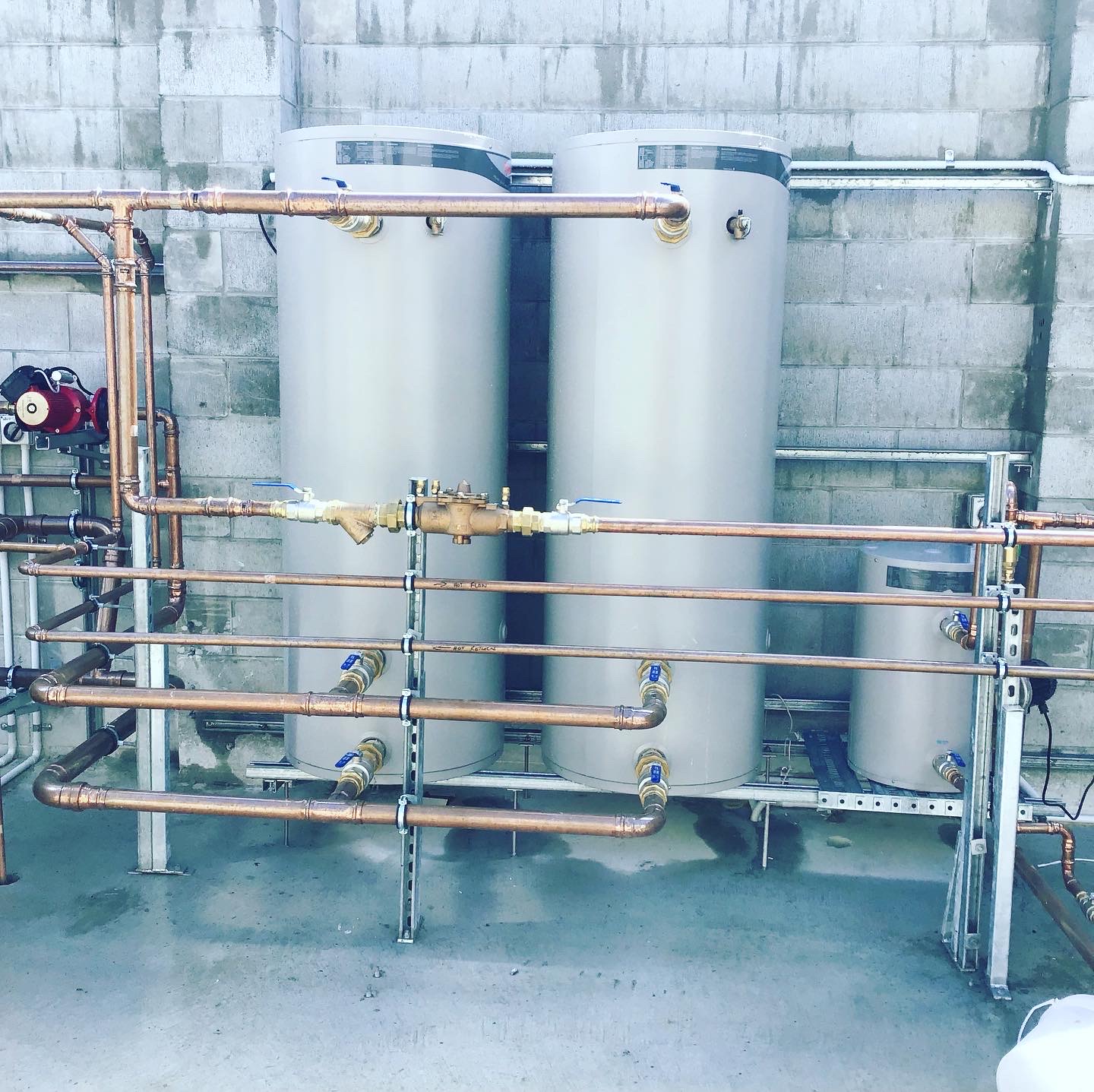
RPZ valves are more complex. They require annual testing by a certified backflow tester and must be installed above the flood level of the property. Flowpro installs and tests both DCV and RPZ devices across Auckland.
Know the Auckland rules and legal requirements
In Auckland, backflow prevention is governed by the Watercare Services Bylaw and the NZ Building Code clause G12. These rules are not optional.
Watercare requires that any property with a secondary connection or potential cross-connection installs an approved backflow prevention device at the boundary or point of connection.
Key legal obligations for Auckland homeowners include:
- Any property with an irrigation system connected to the mains must have a backflow prevention device installed.
- Swimming pools and spa pools connected to the mains supply require backflow protection.
- RPZ valves must be tested annually by a Watercare-approved tester. Results must be submitted to Watercare.
- New builds and renovations must comply with AS/NZS 3500 plumbing standards, which include backflow requirements.
- Failure to comply can result in your water supply being disconnected by Watercare.
If you have recently installed a new irrigation system or pool at your Auckland property and no one mentioned backflow prevention, it is worth having a licensed plumber check your setup before Watercare does.
Compare typical backflow prevention costs in Auckland
Backflow prevention is an investment in your family’s water safety. Costs vary depending on the device type, the complexity of your plumbing, and whether the installation requires council permits.
| Service | Estimated Cost (NZD incl. GST) | Notes |
|---|---|---|
| Hose union backflow preventer supply and install | $80 – $150 | Per tap, straightforward installation |
| Dual check valve installation | $200 – $400 | Standard residential fitting |
| Double check valve (DCV) installation | $350 – $700 | Irrigation systems, common for Auckland homes |
| RPZ valve supply and install | $800 – $2,000+ | High-hazard sites, larger properties |
| Annual RPZ test and certification | $150 – $300 | Required by Watercare every 12 months |
| Backflow compliance inspection | $100 – $200 | Site check and written report |
These are market averages for the Auckland region as of 2025. Your actual quote will depend on your property layout, pipe material, and the device specified by your plumber or Watercare.
Getting a proper compliance check done early is far cheaper than fixing a contamination problem or dealing with a Watercare enforcement notice later.
Spot the signs that your home may lack proper backflow protection
Most homeowners never think about backflow prevention until there is a problem. Here are the warning signs that your Auckland home may not be adequately protected.
- You have a garden irrigation system installed but no visible valve or device near the water meter or toby.
- Your home has a pool or spa connected to the mains and no backflow device was mentioned during installation.
- You notice an unusual taste or odour in your tap water, particularly after the irrigation system has run.
- Your property is older than 15 years and has never had a plumbing compliance check.
- You have received a notice from Watercare requesting a backflow inspection or compliance report.
- Your neighbours experienced a watermain burst recently and you have no backflow device installed.
Orewa and the wider Hibiscus Coast have seen significant residential growth over the past decade. Many properties built or renovated during that period added irrigation and landscaping features. Not all of them had backflow prevention properly addressed at the time.
If any of the above applies to your home, it is worth booking a check with a licensed plumber before Watercare contacts you first.
Learn how the installation process works
Getting backflow prevention installed is a straightforward process when you use a licensed plumber. Here is what to expect from start to finish with Flowpro.
- Site assessment: A licensed plumber visits your property to identify all cross-connection points and determine the hazard level. This usually takes 30 to 60 minutes.
- Device selection: The plumber recommends the appropriate device based on AS/NZS 3500 and Watercare requirements for your specific setup.
- Installation: The device is fitted to your water line, typically near the water meter or the connection point of the risk appliance. Most residential installs take one to two hours.
- Testing: Testable devices like DCVs and RPZ valves are checked after installation to confirm they are functioning correctly.
- Documentation: For RPZ valves, a compliance certificate is issued and submitted to Watercare. You keep a copy for your records.
- Annual testing reminder: Flowpro can set you up with an annual test reminder so you never miss your Watercare compliance date.
The whole process for a standard residential DCV installation is typically completed in a single visit. RPZ installations or complex multi-zone irrigation setups may require a follow-up appointment.
FAQs on backflow prevention
Is backflow prevention required by law in Auckland?
Yes. The Watercare Services Bylaw requires properties with cross-connection risks, such as irrigation systems or pools, to have approved backflow prevention devices installed. Non-compliant properties can have their water supply disconnected. A licensed plumber can confirm exactly what your property needs.
How often does an RPZ valve need to be tested in Auckland?
Watercare requires RPZ valves to be tested and certified every 12 months. The test must be carried out by a Watercare-approved backflow tester. Results need to be submitted to Watercare to maintain compliance. Flowpro offers annual RPZ testing across Auckland.
Can I install a backflow prevention device myself?
No. In New Zealand, backflow prevention devices must be installed by a licensed plumber under the Plumbers, Gasfitters and Drainlayers Act 2006. DIY installation is not legal and will not satisfy Watercare compliance requirements. Always use a registered tradesperson.
What happens if contaminated water enters my supply due to backflow?
Backflow contamination can introduce fertilisers, pesticides, bacteria, or other harmful substances into your drinking water. Health effects range from gastrointestinal illness to more serious conditions depending on the contaminant. This is why prevention is critical, not just a compliance checkbox.
Does my home need backflow prevention if I only have a standard garden hose?
A standard garden hose connected to an outside tap is a recognised cross-connection risk. A hose union backflow preventer fitted to the tap is a simple and affordable solution. If the hose is ever submerged in a bucket of chemicals or a pool, it creates a real contamination risk without one.
How do I know if my existing backflow device is still working?
Testable devices like DCVs and RPZ valves can only be verified by a licensed tester using calibrated equipment. Dual check valves and hose union devices are not testable and should be replaced every five to eight years as a precaution. If you are unsure about your current device, contact Flowpro for an inspection.
Wrap up and next steps
Backflow prevention is one of those things you do not notice until it fails, and by then the damage to your water quality or your relationship with Watercare is already done. The good news is that getting compliant is straightforward and affordable for most Auckland homes.
Flowpro is a licensed plumbing team based in Orewa, serving homeowners across Auckland. Whether you need a new device installed, an annual RPZ test completed, or just want someone to check whether your property is compliant, we can help.
Call Flowpro today or book online to arrange a backflow compliance inspection at your Auckland property. Getting sorted now saves you time, money, and hassle down the track.