Written by Flowpro | Published on June 2025
Most blocked drains can be cleared in under 30 minutes using basic tools or products you already have at home. This guide covers everything from simple DIY fixes to knowing when the blockage is serious enough to need a licensed plumber in Auckland.
We will walk through the most effective methods for clearing blocked sinks, showers, toilets, and outdoor drains, with advice tailored to New Zealand homes and conditions.
Identify what is causing your blocked drain
Before you grab a plunger, it helps to understand what is actually causing the blockage. The right fix depends heavily on the type of drain and the type of blockage.
In Auckland homes, the most common culprits we see at Flowpro are hair and soap scum in bathroom drains, cooking grease in kitchen sinks, tree roots in outdoor pipes, and wet wipes or sanitary products in toilets.
- Kitchen sink: Grease, food scraps, and coffee grounds build up over time and form a dense plug inside the p-trap or further down the pipe.
- Shower or bath: Hair combined with soap residue is the number one cause. It tangles into a matted ball that restricts water flow.
- Toilet: Flushing non-flushable items is the usual culprit. In older Auckland homes, corroded pipes can also narrow and cause slow flushing.
- Outdoor or stormwater drains: Leaf litter, mud, and tree roots are typical in Auckland’s leafy suburbs, especially after heavy rain on the Hibiscus Coast.
- Laundry tub: Lint, dirt, and detergent residue accumulate over months and cause slow draining.
Once you have a rough idea of the cause, you can choose the most effective method to clear it.
Try these DIY methods first
Most minor blockages respond well to simple DIY techniques. Start with the least invasive method and work your way up if it does not fix the problem.
Boiling water
For kitchen sinks blocked with grease, carefully pour a full kettle of boiling water directly down the drain in two or three stages. Wait 30 seconds between each pour. This works well on grease but will not help with hair or solid blockages.
Note: Do not use boiling water on PVC pipes or porcelain fixtures, as extreme heat can cause damage. Use hot tap water instead if you are unsure of your pipe material.
Baking soda and vinegar
Pour half a cup of baking soda down the drain, followed by half a cup of white vinegar. Cover the drain opening and wait 15 to 20 minutes while the fizzing action breaks down organic matter. Flush with hot water to clear the residue.
This method works reasonably well on slow drains caused by soap and grease. It is not strong enough for full blockages, but it is a good first step and completely safe for all pipe types.
Using a plunger
A cup plunger works best on sinks and baths. A flange plunger is designed for toilets. Make sure there is enough water in the basin to cover the plunger cup, then push and pull firmly for 20 to 30 seconds without breaking the seal.
If water starts moving after a few pumps, keep going. Run the tap once the blockage clears to flush the debris through.
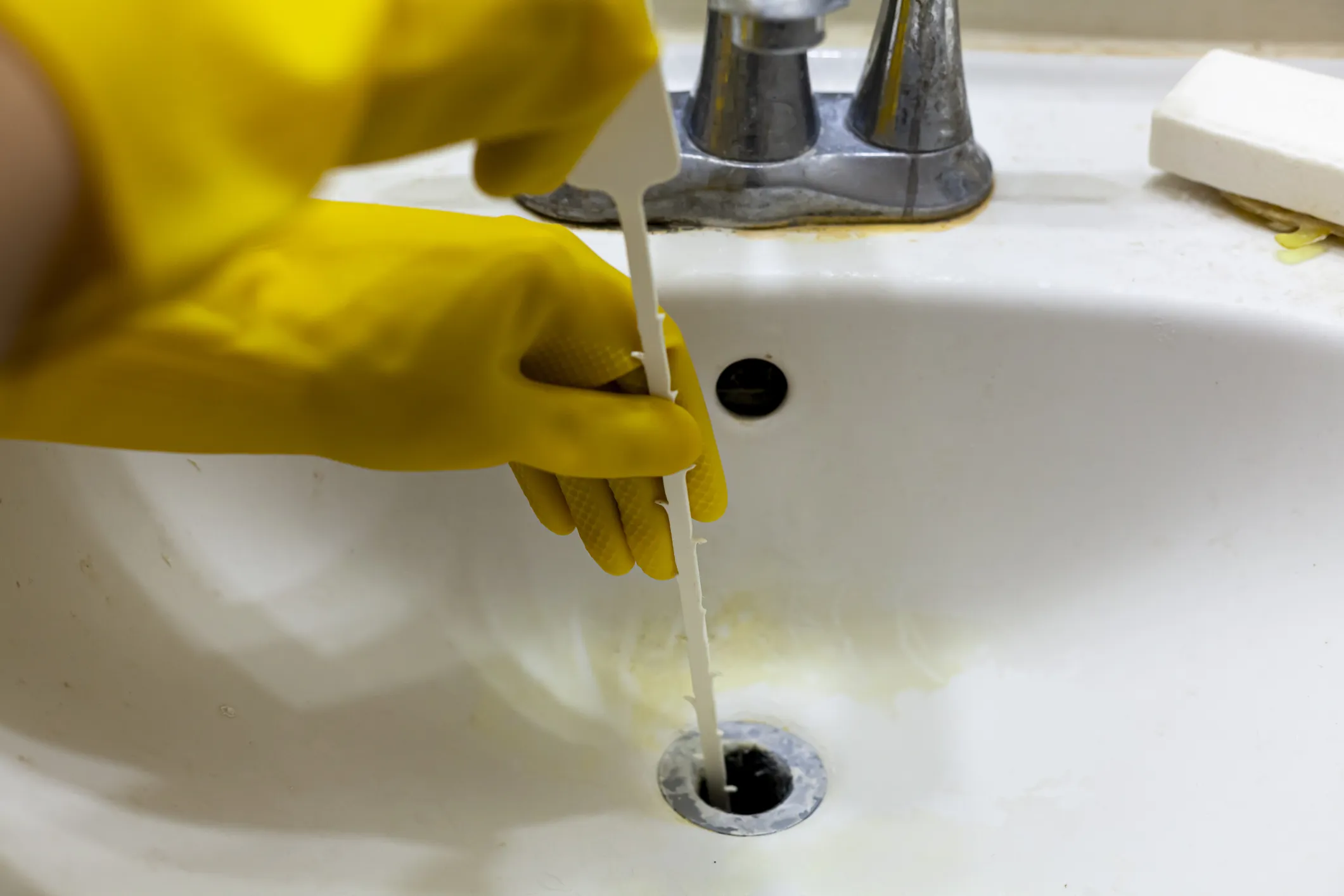
Drain snake or drain auger
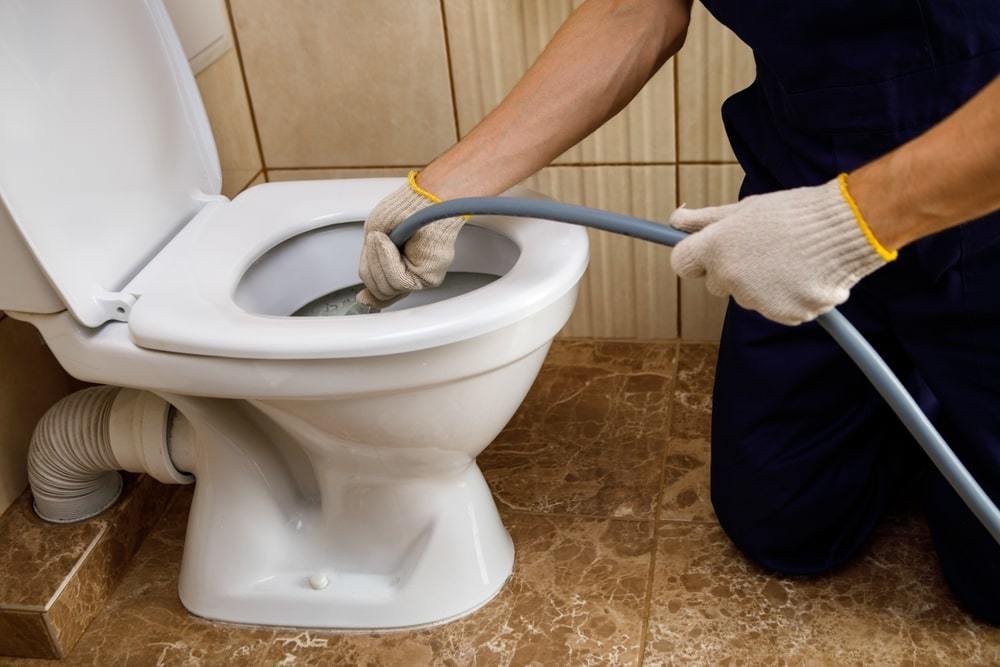
A manual drain snake (also called a plumber’s snake) is a flexible coiled wire that you feed into the drain to break up or hook out blockages. You can buy one at Bunnings or Mitre 10 in New Zealand for around $20 to $60.
Feed the snake in slowly, rotate it when you feel resistance, and pull back to retrieve the blockage. This is particularly effective for hair blockages in shower drains.
Compare DIY drain unblocking methods
| Method | Best for | Cost | Effectiveness |
|---|---|---|---|
| Boiling water | Grease in kitchen sink | Free | Low to moderate |
| Baking soda and vinegar | Slow drains, soap scum | Under $5 | Low to moderate |
| Plunger | Sinks, baths, toilets | $10 to $30 | Moderate to high |
| Drain snake | Hair, soft blockages | $20 to $60 | High |
| Chemical drain cleaner | Grease, organic matter | $8 to $20 | Moderate |
| Professional hydro jetting | Severe or recurring blockages | $150 to $400+ | Very high |
Choose the right drain cleaner product in NZ
Chemical drain cleaners are widely available in New Zealand supermarkets and hardware stores. They can be useful for organic blockages but need to be used carefully. Here is what you need to know before buying one.
There are three main types of chemical drain cleaners available in NZ:
- Caustic cleaners (e.g. Drano, Liquid Plumr): These use sodium hydroxide to break down grease and hair. They are effective but can damage older pipes and are harmful if splashed on skin.
- Enzyme-based cleaners: These use natural bacteria and enzymes to slowly digest organic matter. They are safer for pipes and the environment but take hours to work. Good for maintenance rather than active blockages.
- Acidic cleaners: These are industrial-strength products not usually sold to the public. Licensed plumbers use these for severe buildup.
Always read the label before using any chemical product. Never mix different drain cleaning products and do not use them in toilets unless the label specifically says it is safe to do so.
From an environmental standpoint, New Zealand has relatively strict wastewater rules. Enzyme-based cleaners are the better choice if you are on a septic system, which is common in rural areas north of Auckland toward the Hibiscus Coast.
Unblock specific drain types in your home
| Drain type | Most likely cause | Best DIY method | When to call a plumber |
|---|---|---|---|
| Kitchen sink | Grease and food scraps | Boiling water, plunger | If smell persists or multiple sinks block |
| Shower drain | Hair and soap scum | Drain snake, hook tool | If water backs up into bath |
| Toilet | Non-flushable items | Flange plunger | If plunging fails or water overflows |
| Laundry tub | Lint and detergent | Drain snake | If tub fills up during cycle |
| Outdoor stormwater | Leaves, roots, mud | Clear debris by hand | If flooding occurs around foundations |
Know when to call a licensed plumber in Auckland
DIY methods work well for minor blockages, but some situations need professional attention. Trying to force a severe blockage can crack pipes or push the problem further into the system, making repairs more expensive.
Call a licensed plumber if you notice any of the following:
- Multiple drains in your home are slow or blocked at the same time. This usually points to a main sewer line issue.
- There is a gurgling sound coming from other drains when you flush the toilet or run the dishwasher.
- Water or sewage is backing up through floor drains or into your shower when the toilet flushes.
- You have tried two or three DIY methods and the blockage has not shifted.
- There is a persistent sewage smell inside or outside the property.
- Your property has older clay or cast iron pipes, which are common in central Auckland suburbs and are more prone to root intrusion and cracking.
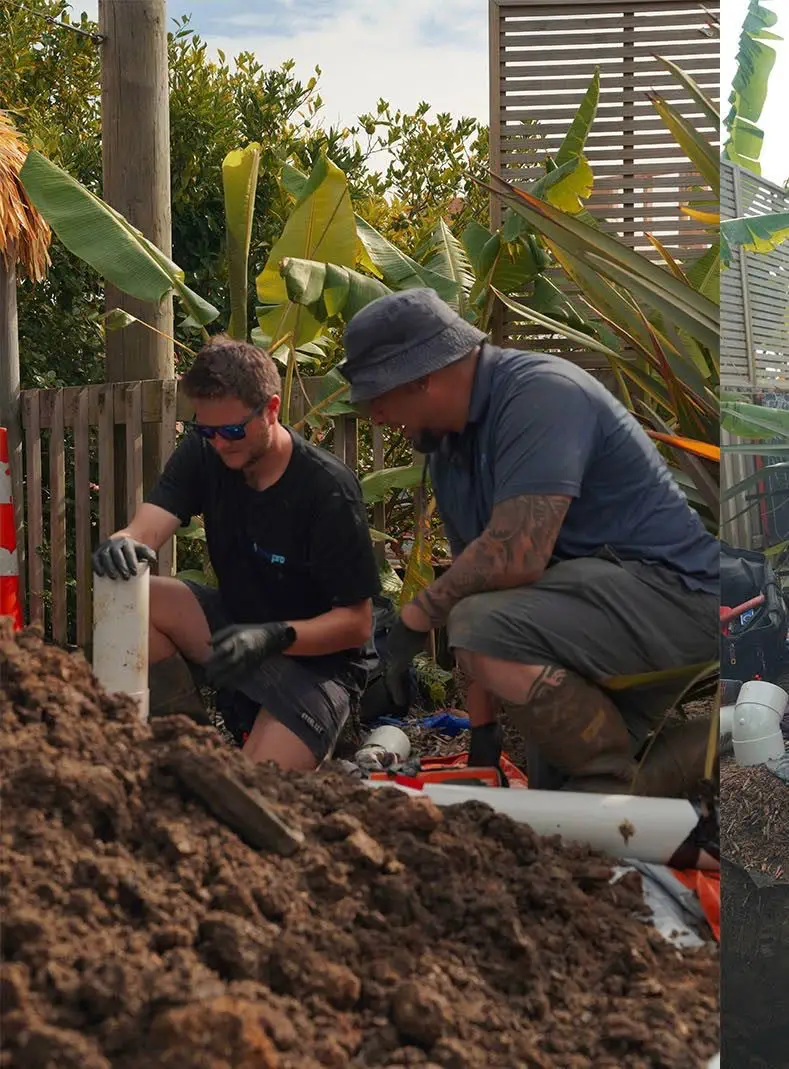
Professional plumbers use CCTV drain cameras to locate the exact cause and position of a blockage, and hydro jetting equipment to clear it completely. Flowpro uses this equipment across Auckland and the Hibiscus Coast to diagnose and fix blocked drains fast.
In New Zealand, all drainage work that connects to the public wastewater system must be carried out by a licensed drainlayer or plumber. This is a requirement under the Plumbers, Gasfitters and Drainlayers Act 2006. DIY work on connection points is not legal and could affect your insurance cover.
Prevent blocked drains before they happen
Unblocking a drain is satisfying, but preventing the blockage in the first place saves you time, money, and a lot of mess. A few simple habits go a long way.
- Install drain strainers: A mesh strainer over your shower drain and kitchen sink catches hair, food scraps, and debris before they enter the pipe. They cost around $5 to $15 at most NZ hardware stores.
- Never pour grease down the sink: Let cooking fat cool and scrape it into the bin. Even small amounts build up over time and cause serious blockages further down the line.
- Flush drains weekly: Run hot water down your drains for 30 to 60 seconds once a week. This helps push any early buildup through before it becomes a problem.
- Only flush the three Ps: Pee, paper, and poo. Wet wipes, cotton pads, and paper towels do not break down and cause blockages even when labelled flushable.
- Maintain outdoor drains: Clear leaves and debris from stormwater drains regularly, especially in autumn. Auckland’s tree-lined streets mean outdoor drains can fill quickly during wet weather.
- Schedule a drain inspection: If your home is more than 20 years old, an annual drain camera inspection can catch root intrusion and pipe degradation before it becomes an emergency.
FAQs on how to unblock a drain
How do I unblock a drain fast without any tools?
The fastest no-tool method is pouring boiling water down the drain in two or three stages. If that does not work, a mixture of baking soda and white vinegar followed by hot water can shift a partial blockage. These methods work best on grease and soap buildup rather than solid objects.
Is it safe to use bleach to unblock a drain in NZ?
Bleach is a disinfectant and will kill bacteria causing odours, but it will not dissolve hair or grease effectively. It is not the best choice for unblocking drains. Avoid mixing bleach with other drain cleaning products as this creates toxic fumes.
Why does my drain keep blocking even after I clear it?
Recurring blockages usually mean there is an underlying issue such as a partially collapsed pipe, tree root intrusion, or a buildup further along the main drain line. A CCTV drain inspection is the best way to find the cause. Flowpro offers this service across Auckland.
Can I use a drain snake on a toilet?
Yes, but you should use a toilet auger rather than a standard drain snake. A toilet auger has a rubber sleeve that protects the porcelain from scratches. Standard wire drain snakes can damage the toilet bowl. They are available at Bunnings for around $30 to $50.
What are the rules around drain work in New Zealand?
Under the Plumbers, Gasfitters and Drainlayers Act 2006, any work on drains that connect to the public wastewater or stormwater system must be done by a licensed drainlayer. DIY fixes inside your home (like clearing a p-trap) are generally fine, but connecting or modifying drain lines requires a licensed professional.
How much does it cost to unblock a drain in Auckland?
A basic drain unblocking service in Auckland typically costs between $150 and $350 for a standard callout and clearance. If a CCTV inspection or hydro jetting is required, costs can range from $300 to $600 or more depending on the severity and location of the blockage.
Wrap up and next steps
Knowing how to unblock a drain can save you a costly emergency callout, but there are times when the problem goes deeper than a plunger can reach. Start with the DIY methods in this guide, but do not hesitate to get professional help when the signs point to a bigger issue.
Flowpro is a plumbing company based in Orewa, serving homeowners across Auckland and the Hibiscus Coast. If you have a stubborn blocked drain or want a CCTV inspection to get ahead of problems, contact Flowpro today to book a time that suits you.