Written by Flowpro | Published on July 2025
Good floor drain maintenance means cleaning the drain cover and trap every one to three months, keeping the trap primed with water, and clearing debris before it builds up into a blockage. Skipping this routine is one of the most common reasons Auckland homeowners end up with flooded garages, laundries, and bathrooms.
This guide covers the practical steps for maintaining floor drains, the warning signs to watch for, and when it makes sense to call a plumber. Whether your property is in Orewa, the North Shore, or central Auckland, these tips apply to residential and commercial drains alike.
Understand How Floor Drains Work
Floor drains are designed to channel water away from surfaces quickly. They sit flush with the floor and connect to your property’s wastewater system. Most residential floor drains are found in laundries, garages, bathrooms, and utility rooms.
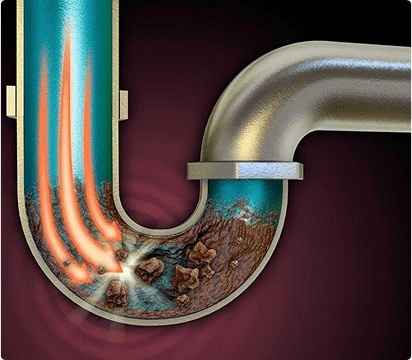
The key component in every floor drain is the trap. This is a curved section of pipe that holds a small amount of water. That water creates a seal that blocks sewer gases from entering your home. If the trap dries out, you will notice a sulphuric or rotten egg smell coming from the drain.
In New Zealand, floor drains must comply with NZS 3604 and the Building Code clause G13, which governs sanitary drainage. Any new drain installation or significant modification needs to meet these standards, and licensed plumbers are required for work connecting to the wastewater network.
Spot the Warning Signs of a Blocked Floor Drain
Catching a problem early saves you money and stress. Floor drain blockages rarely happen overnight. They build up gradually, and the signs appear well before a full blockage occurs.
- Water pooling slowly around the drain instead of draining away quickly
- A gurgling sound coming from the drain when nearby fixtures are used
- A persistent foul smell even after cleaning the drain cover
- Visible debris, grease, or sediment sitting in or around the drain grate
- Drain cover lifting due to back pressure from a partial blockage
- Multiple drains in your home draining slowly at the same time
Multiple slow drains usually point to a blockage further down the line in a shared pipe. That is a job for a professional. Flowpro handles these types of blockages regularly across the Auckland region and can locate the obstruction with a drain camera if needed.
Follow a Simple Floor Drain Maintenance Routine
A consistent routine is the most effective way to prevent blockages. The steps below are easy to do yourself and take less than ten minutes each time.
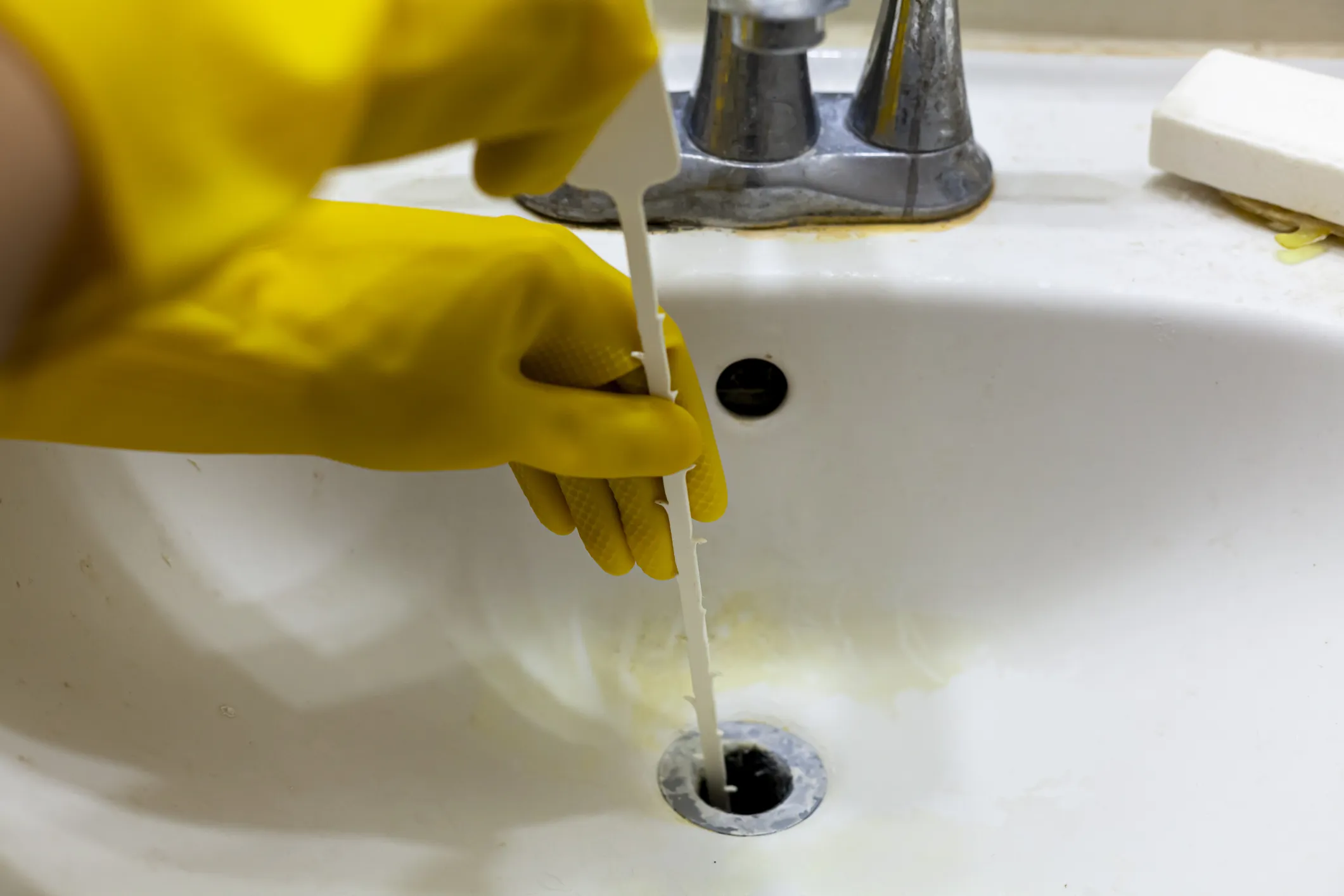
- Remove and clean the drain cover. Lift the grate and remove any hair, debris, or sediment. Scrub the cover with a stiff brush and warm soapy water.
- Pour water down the drain. Add at least two litres of water to keep the trap primed. Do this monthly for drains that are rarely used, such as those in garages or spare bathrooms.
- Flush with hot water. Once a month, pour a kettle of hot (not boiling) water slowly down the drain. This helps dissolve grease and soap residue.
- Use a baking soda and vinegar flush. Pour half a cup of baking soda followed by half a cup of white vinegar. Let it fizz for ten minutes, then flush with warm water. This breaks down organic build-up without damaging pipes.
- Check the trap seal. After flushing, confirm the trap still holds water by looking down the drain with a torch. You should see water sitting in the curved section of the pipe.
- Inspect the surrounding floor. Look for cracks, staining, or moisture around the drain that could indicate a leak beneath the surface.
Doing this every one to three months keeps most floor drains clear and odour-free. High-use drains in commercial kitchens or busy laundries benefit from monthly attention.
Compare DIY Methods vs Professional Drain Cleaning
Not every drain problem needs a plumber, but some definitely do. The table below outlines what you can handle yourself and what requires professional equipment.
| Situation | DIY Suitable? | Professional Needed? |
|---|---|---|
| Debris on drain cover | Yes | No |
| Dry trap causing odour | Yes | No |
| Slow draining from one drain | Yes (try flushing first) | If flushing does not help |
| Multiple slow drains | No | Yes |
| Drain completely blocked | Partially (plunger only) | Yes for stubborn blockages |
| Sewage backing up | No | Yes, urgently |
| Cracked or damaged drain pipe | No | Yes |
| Root intrusion in drain | No | Yes |
Chemical drain cleaners are available at hardware stores, but use them with caution. Strong caustic products can damage older PVC pipes and chrome fittings over time. They are also harmful if they contact skin or eyes. A hot water and baking soda flush is a safer first option for most households.
Understand Floor Drain Maintenance Costs in Auckland
Knowing what to expect cost-wise helps you budget and avoid surprises. The table below gives approximate pricing ranges for common drain services in the Auckland region. Prices vary depending on location, access, and the severity of the problem.
| Service | Estimated Cost (NZD) | Notes |
|---|---|---|
| Standard drain unblocking | $150 to $350 | Includes labour and basic clearing |
| High-pressure water jetting | $250 to $500 | Best for grease and stubborn build-up |
| CCTV drain camera inspection | $200 to $450 | Identifies location and cause of blockage |
| Drain trap replacement | $180 to $400 | Parts and labour included |
| After-hours emergency callout | $350 to $700+ | Evening, weekend, or public holiday rates |
| Annual maintenance plan | $300 to $600 per year | Multiple visits, priority service |
These are general estimates for the Auckland market. Prices in Orewa and the Hibiscus Coast are broadly similar to central Auckland, though travel fees may apply for very remote properties. Always ask for a written quote before work begins.
Identify Auckland-Specific Drain Challenges
Auckland’s climate and geography create a few specific challenges for floor drain maintenance that are worth knowing about.
Heavy rainfall is the biggest factor. Auckland receives an average of 1240mm of rain per year, with significant downpours concentrated in winter. Properties in low-lying areas of West Auckland, South Auckland, and parts of the North Shore can experience surface water entering floor drains during storm events.
- Older homes in inner Auckland suburbs often have clay or cast iron drain pipes that are more prone to cracking and root intrusion than modern PVC.
- Properties near Orewa Beach and other coastal areas can experience sand and silt entering drains through stormwater connections.
- High humidity in Auckland summers accelerates the growth of mould and biofilm inside drains, which contributes to slow drainage and odours.
- Tree roots are a frequent problem in established suburbs with large gardens. Pohutukawa, phoenix palms, and agapanthus are common offenders near drainage lines.
- Auckland Council’s stormwater system is separate from the wastewater system. It is illegal to connect floor drains that collect wastewater to the stormwater network. Flowpro can check this if you are unsure about your setup.
If your property floods during heavy rain, the issue may be with the stormwater drainage rather than the floor drain itself. Auckland Council has a responsibility for public drains, but private drains on your property are your responsibility to maintain.
Prevent Blockages Before They Start
Prevention is always cheaper than a callout. These habits make a real difference in how often your drains block up.
- Install a drain strainer or hair catcher over floor drains in bathrooms and laundries. Clean it after every use.
- Never pour cooking grease or oil down a floor drain. Let it cool and dispose of it in your general waste bin.
- Keep the area around floor drains clear of dirt, leaves, and debris, especially after gardening or outdoor work.
- In garages, sweep or vacuum before hosing down the floor so less grit enters the drain.
- Add a cup of water to rarely-used floor drains every two to four weeks to keep the trap sealed.
- Schedule a professional flush once a year for commercial kitchens, rental properties, or homes with heavy drain use.
Landlords in Auckland should note that floor drain maintenance in rental properties is typically the landlord’s responsibility under the Residential Tenancies Act, unless the tenant has caused the blockage through misuse.
FAQs on Floor Drain Maintenance
How often should I clean my floor drains?
For most homes, cleaning floor drains every one to three months is enough. High-use drains in laundries, kitchens, or bathrooms benefit from monthly cleaning. Drains that are rarely used, like those in garages or spare rooms, need water added monthly to keep the trap sealed even if they do not need scrubbing.
Why does my floor drain smell even after cleaning?
A persistent smell usually means the drain trap has dried out. The trap is a curved section of pipe that holds water to block sewer gases. Pour two litres of water down the drain and add a small amount of cooking oil to slow evaporation. If the smell continues after priming the trap, the issue may be a cracked pipe or a venting problem that needs a plumber.
Can I use chemical drain cleaners on floor drains?
You can, but it is not the best first option. Strong caustic cleaners can degrade older PVC pipes and seals over time. They also pose safety risks if not handled carefully. A hot water flush or a baking soda and vinegar treatment is a safer starting point. Use chemical cleaners only for stubborn blockages and follow the product instructions carefully.
What causes floor drains to block up in Auckland homes?
The most common causes are hair and soap scum in bathrooms, grease and food particles in kitchens, dirt and grit in garages, and tree root intrusion in older properties. Auckland’s wet climate also means more sediment and debris can wash into drains during heavy rain events, particularly in properties with outdoor floor drains.
Do I need a licensed plumber to fix a blocked floor drain in New Zealand?
You can clear a simple blockage yourself using a plunger or a manual drain snake. However, any work involving the drain trap, waste pipes, or connections to the wastewater network must be done by a licensed plumber under the Plumbers, Gasfitters and Drainlayers Act 2006. Attempting that work yourself can void your home insurance and create compliance issues.
How do I know if my floor drain is connected to stormwater or wastewater?
This is an important question, especially in older Auckland homes where drain connections were sometimes done incorrectly. A plumber can use a CCTV camera or dye testing to trace where your drain connects. Wastewater and stormwater must be kept separate under Auckland Council regulations. Flowpro can carry out a drain inspection to confirm your setup is compliant.
Wrap Up and Next Steps
Regular floor drain maintenance is straightforward and takes very little time, but it prevents blockages, bad smells, and expensive repairs down the track. Clean the drain cover, keep the trap primed, and flush the drain monthly to stay ahead of problems.
If you are dealing with a stubborn blockage, a drain that keeps backing up, or a smell that will not go away, it is time to call in a professional. Flowpro is based in Orewa and serves homeowners and businesses across the Auckland region. Contact us today to book a drain inspection or get a quote for clearing a blocked floor drain.