Written by Flowpro | Published on June 2025
In New Zealand, most plumbing work must be performed by a licensed tradesperson under the Plumbers, Gasfitters and Drainlayers Act 2006. Doing unlicensed sanitary plumbing or drainlaying work can result in fines of up to $10,000. This article covers which jobs require a licensed plumber, what the NZ regulations actually say, how to check a plumber’s licence, and what homeowners in Auckland can legally do themselves.
Understand the Legal Framework for Licensed Plumber NZ Regulations
The core piece of legislation governing plumbing in New Zealand is the Plumbers, Gasfitters and Drainlayers Act 2006. This Act is administered by the Plumbers, Gasfitters and Drainlayers Board (PGDB), which is the national licensing authority.
The Act divides trade work into three main categories: sanitary plumbing, gasfitting, and drainlaying. Each category requires its own separate licence or authorisation. A person cannot legally carry out any of this work without holding the correct certification.
There are different levels of authorisation under the Act. These include licensed practitioners, certifying practitioners, and supervised trainees. Only a certifying practitioner can sign off on completed work as compliant.
The PGDB maintains a public register of all licensed and certifying practitioners in New Zealand. You can search this register online at pgdb.co.nz to verify any plumber before they start work on your property.
Identify Which Plumbing Jobs Require a Licensed Plumber in NZ
Not every plumbing task in your home requires a licensed tradesperson. However, the list of jobs that do is extensive, and homeowners often underestimate how much falls under the regulated category.
The following work must be carried out by a licensed and certifying plumber in New Zealand:
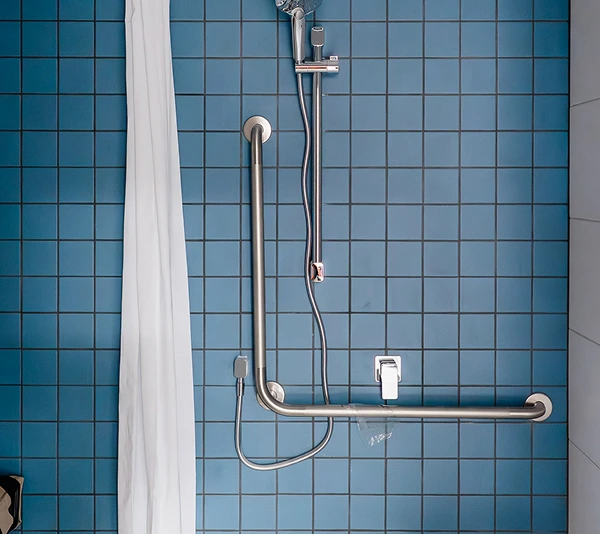
- Installing, altering, or repairing any sanitary fixture connected to the water supply (toilets, sinks, showers, baths)
- Connecting or disconnecting any appliance to the water supply or drainage system
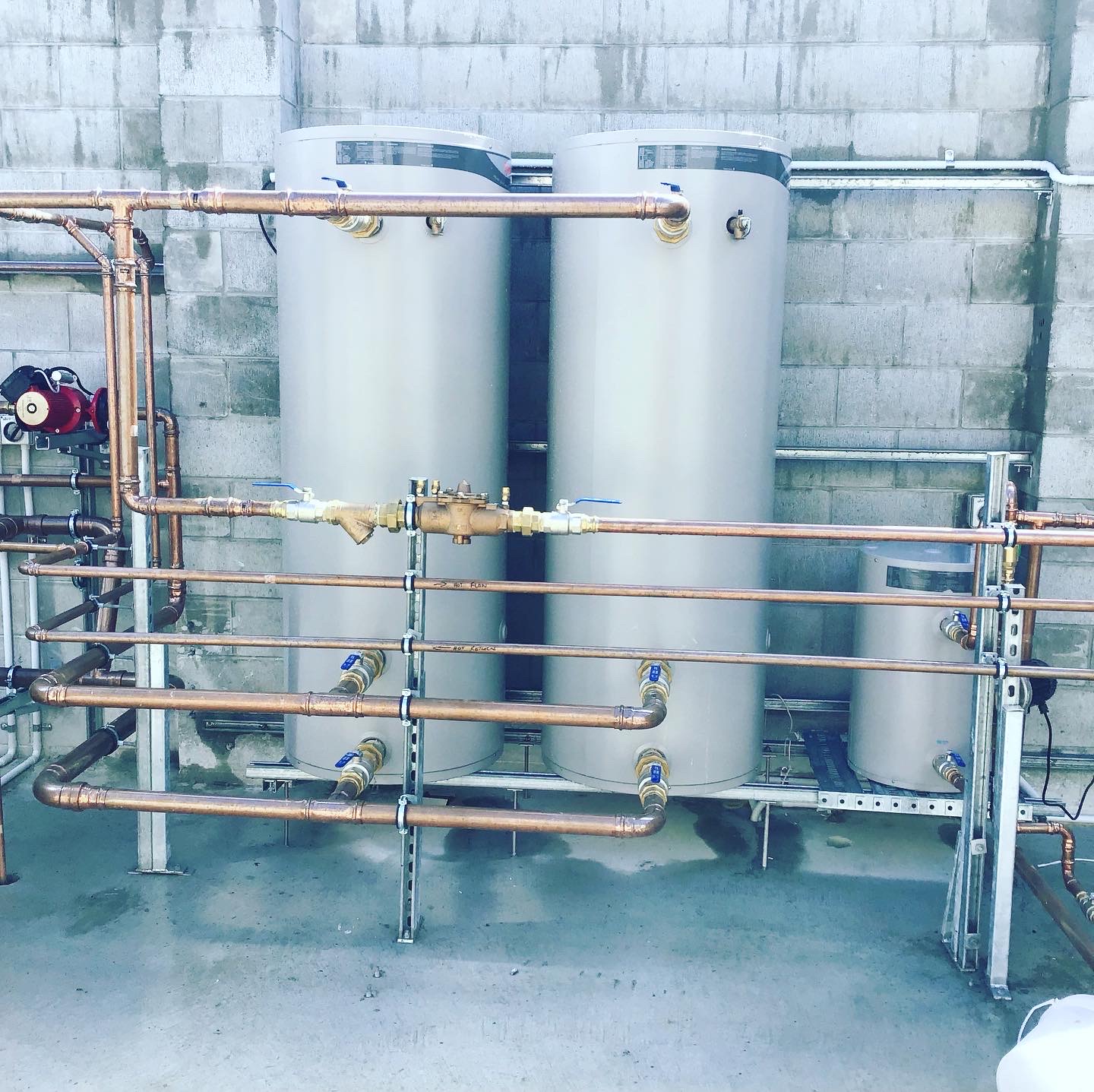
- Installing or replacing hot water cylinders, including heat pump hot water systems
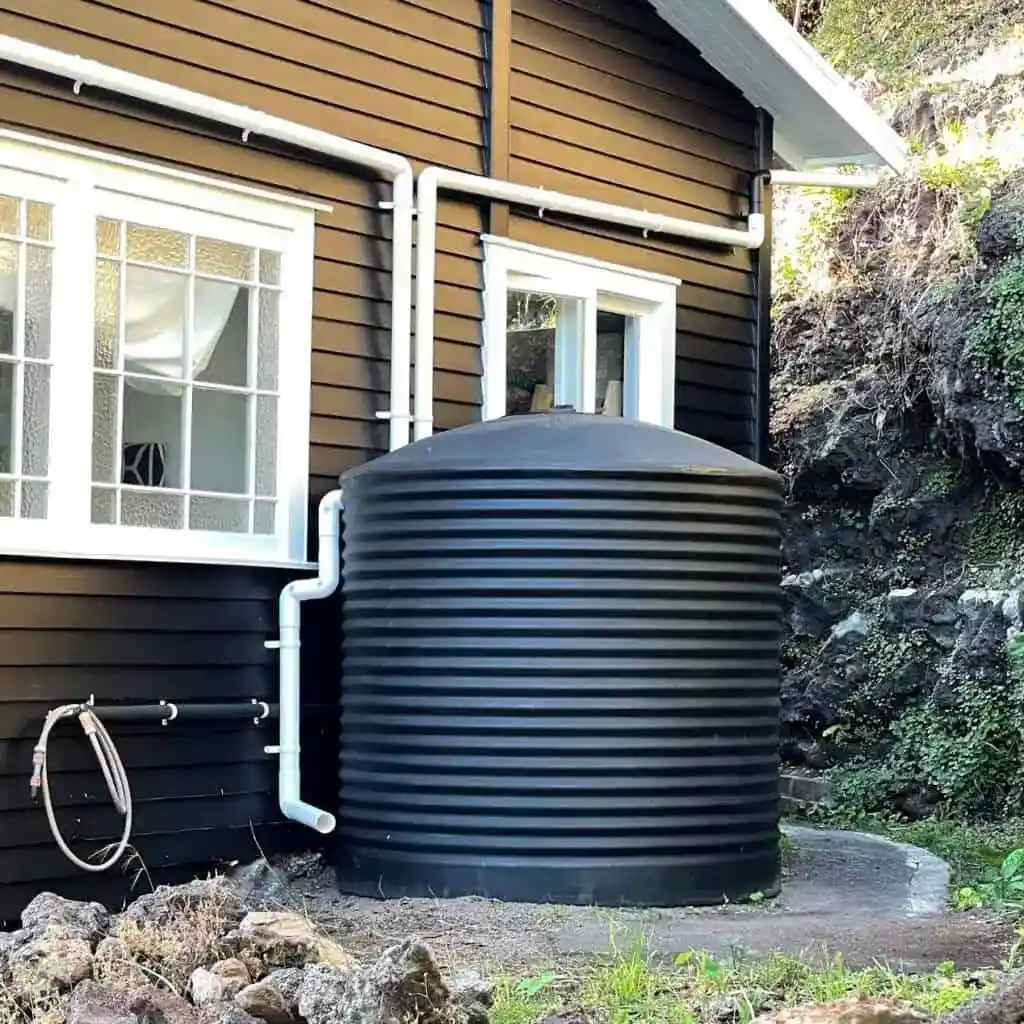
- Any work on water supply pipes within a building
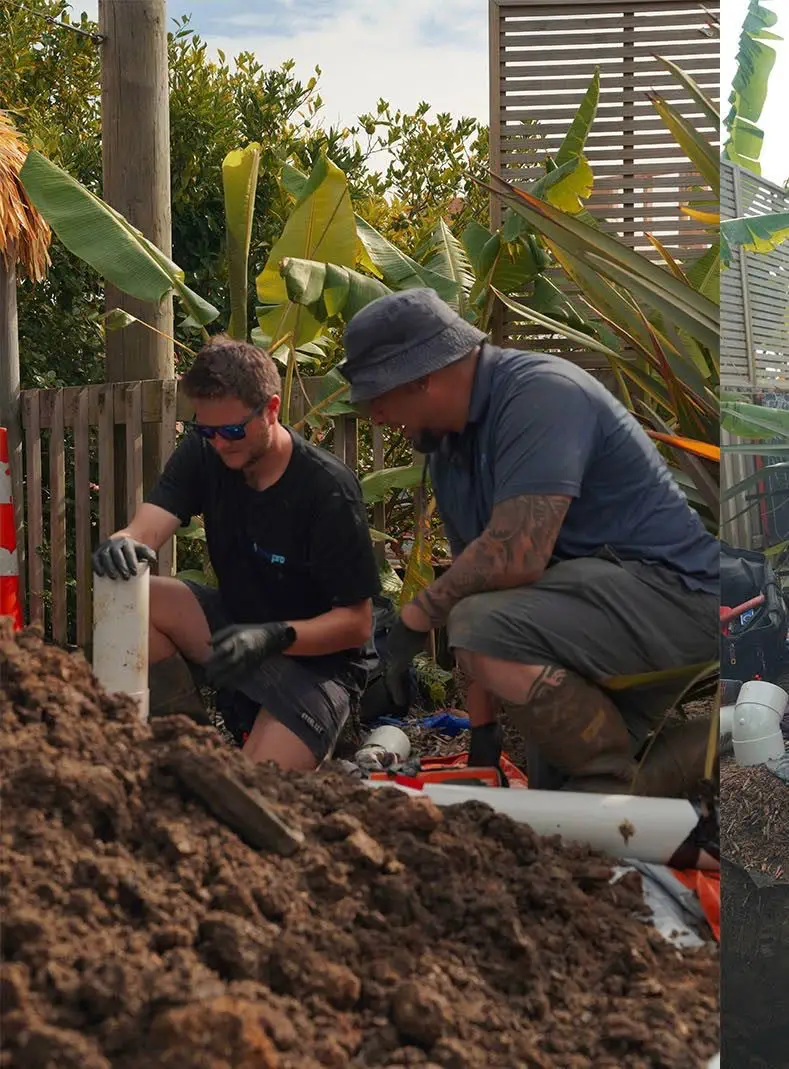
- Installing or modifying drainage systems inside or outside a building
- Connecting a property to the public water main or sewer
- Installing backflow prevention devices
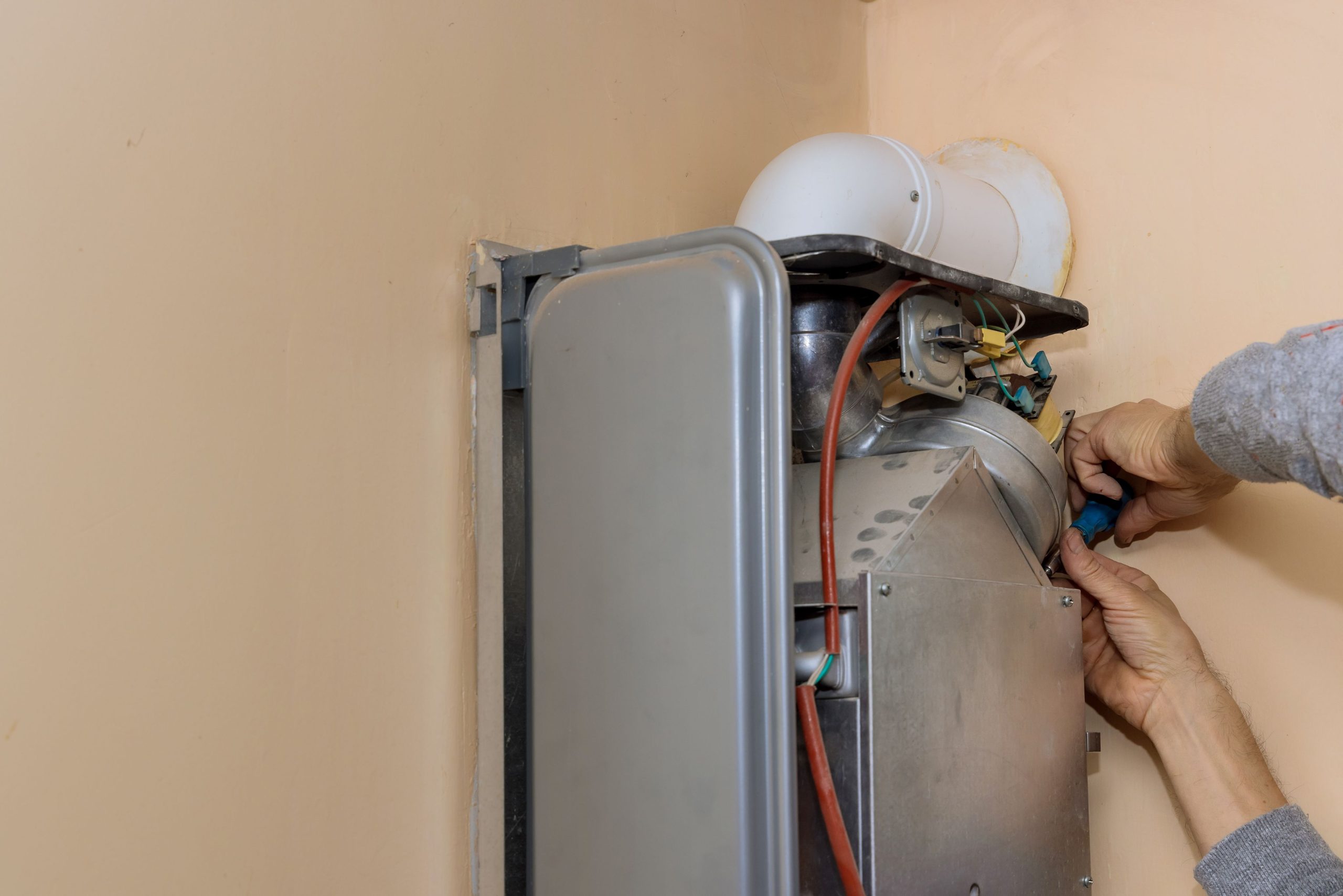
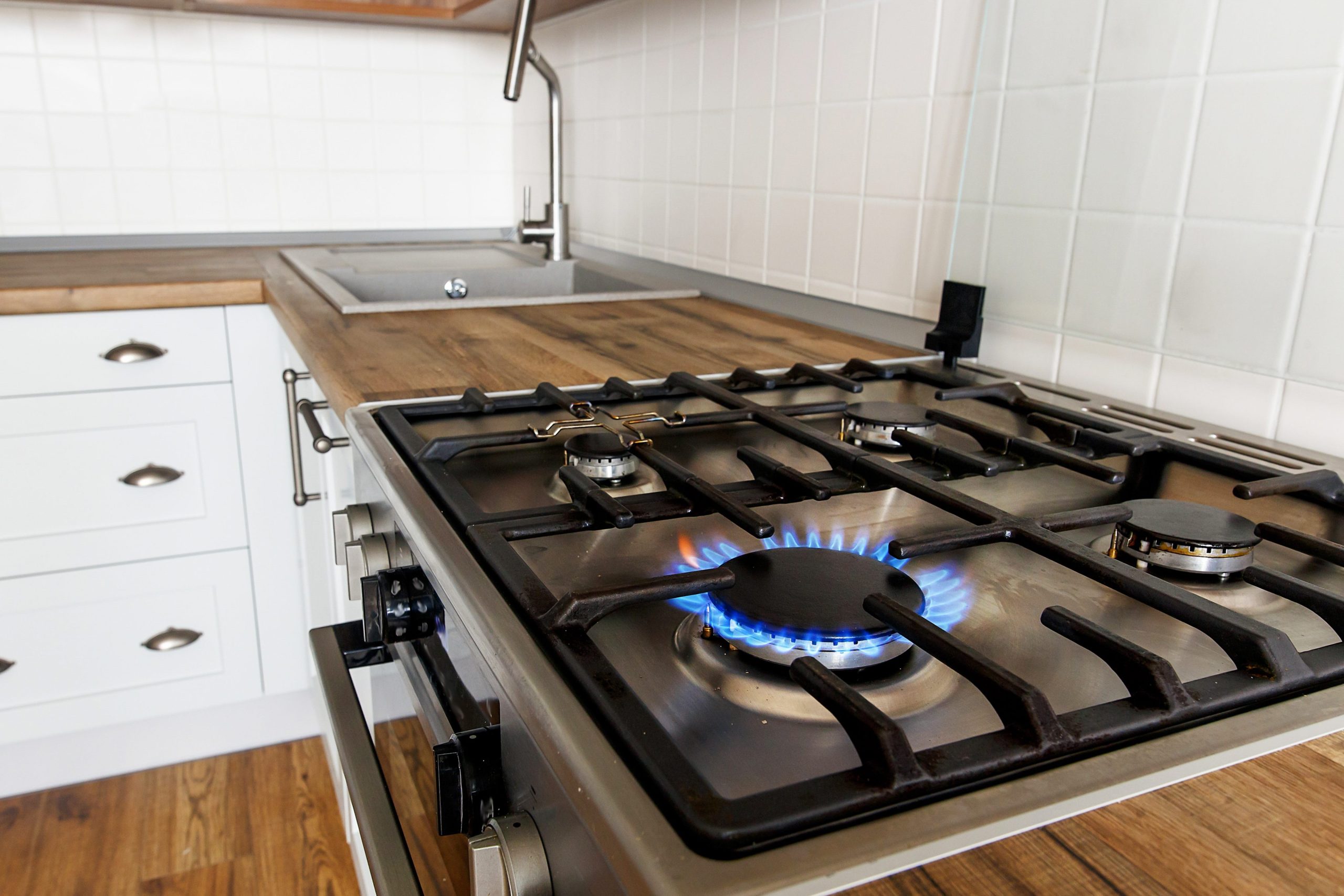
- Any gasfitting work, including connecting gas appliances
The PGDB is clear that even seemingly minor jobs, like replacing a toilet cistern or moving a tap outlet, fall under regulated work if they involve a connection to the water supply or drainage system.
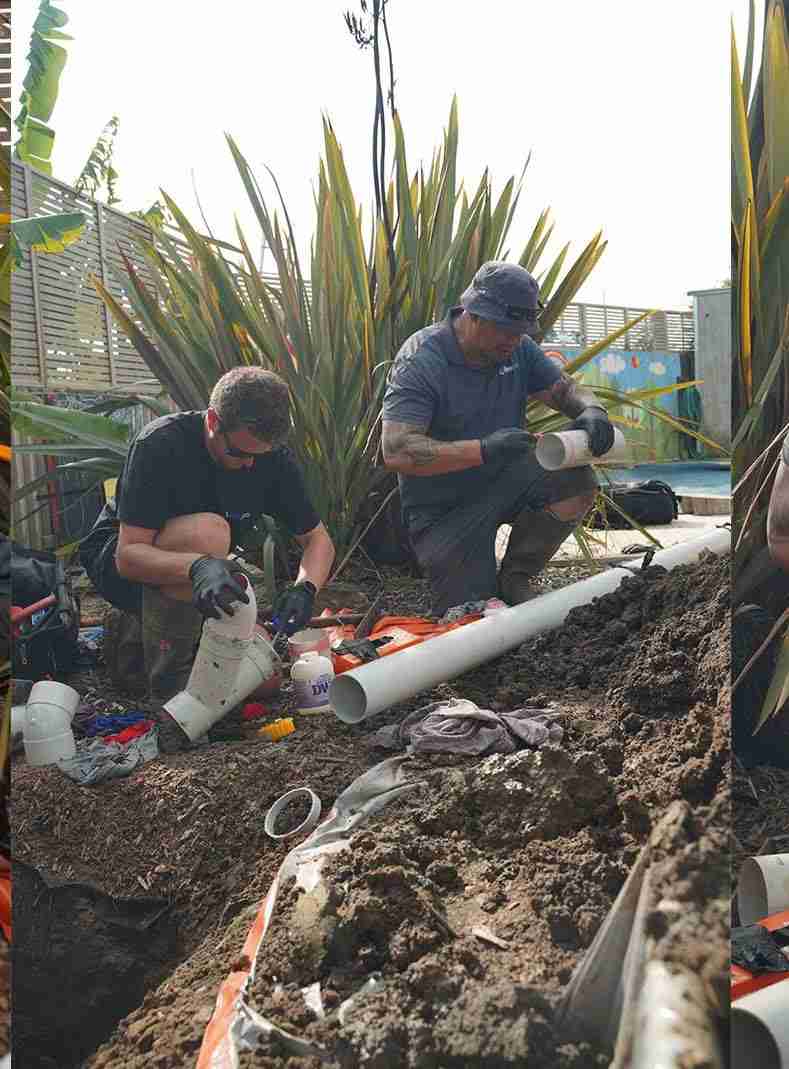
At Flowpro, we get calls regularly from Auckland homeowners who have unknowingly hired an unlicensed handyman for this type of work. It creates real problems when it comes time to sell the property or make an insurance claim.
Know What Homeowners Can Legally Do Themselves
There is a limited range of plumbing maintenance tasks that homeowners in New Zealand can legally do without a licence. Understanding this boundary saves you money and keeps you on the right side of the law.
Under the Plumbers, Gasfitters and Drainlayers Act 2006, a homeowner is permitted to carry out minor maintenance on their own home. This is sometimes called the owner-occupier exemption, though it is narrow in scope.
Permitted DIY plumbing tasks for NZ homeowners include:
- Replacing tap washers and O-rings on existing taps
- Replacing a showerhead on an existing arm (no pipe modification)
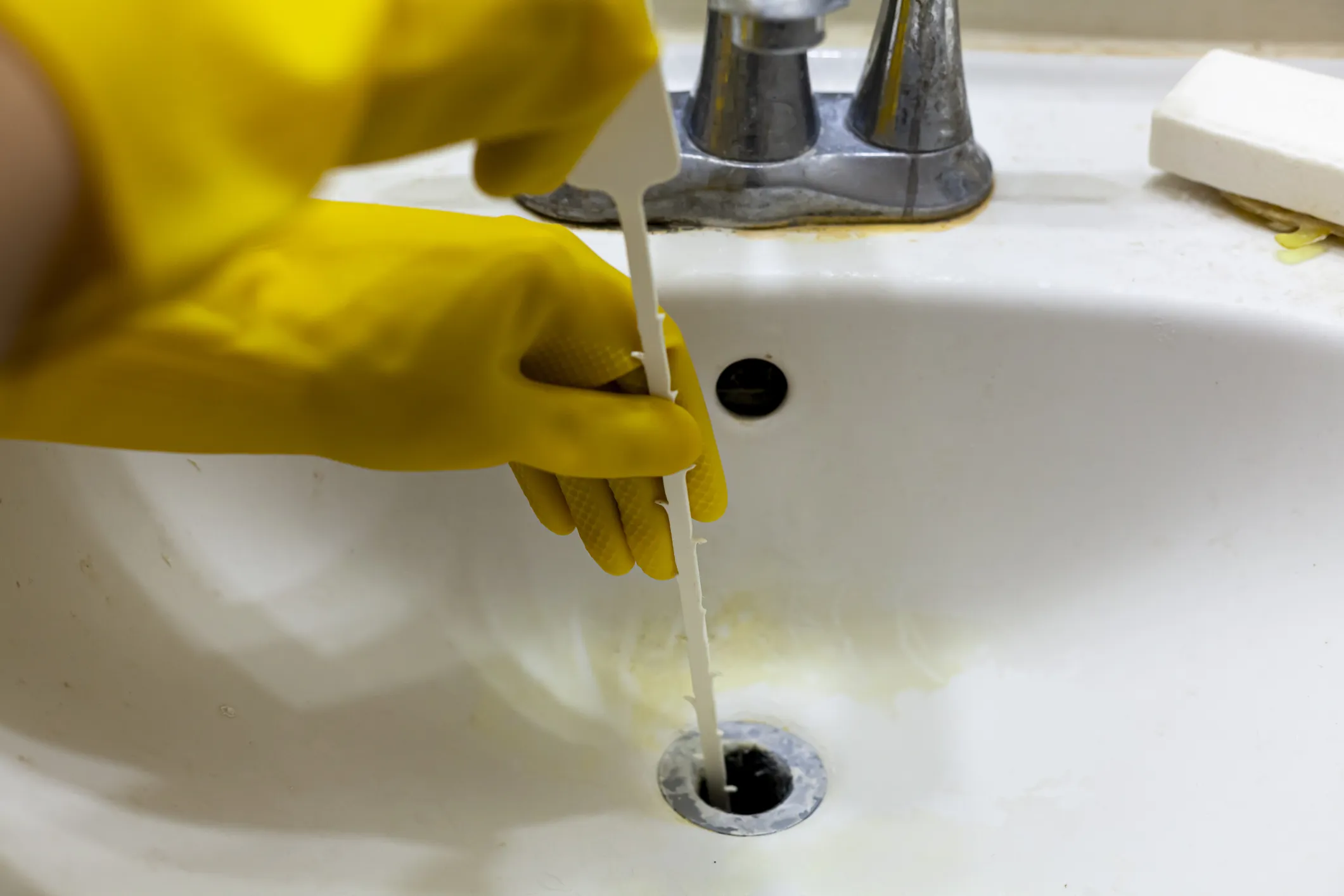
- Unblocking drains using a plunger or drain snake
- Replacing a toilet seat
- Tightening fittings or replacing flexible hose connectors under sinks (where no hard pipe work is involved)
Critically, the exemption only applies to your own home that you live in. It does not apply to rental properties, investment properties, or commercial buildings. Landlords in Auckland must use a licensed plumber for all regulated work on their rental properties.
If you are unsure whether a job crosses the line, contact a licensed plumber before starting. A quick phone call to Flowpro can save you from an expensive mistake.
Compare Licence Types Under NZ Plumbing Regulations
The PGDB issues several types of authorisations. Understanding the difference helps you ask the right questions when hiring a plumber in Auckland or anywhere in New Zealand.
| Authorisation Type | What They Can Do | Can Sign Off Work? |
|---|---|---|
| Certifying Plumber | Perform and certify all sanitary plumbing work | Yes |
| Licensed Plumber | Perform sanitary plumbing under supervision of a certifier | No |
| Certifying Drainlayer | Perform and certify all drainlaying work | Yes |
| Licensed Drainlayer | Perform drainlaying under supervision | No |
| Certifying Gasfitter | Perform and certify all gasfitting work | Yes |
| Trainee | Carry out work only under direct supervision | No |
When you hire a plumbing company, you want a certifying practitioner on your job. This is the person who can legally sign the compliance certificate at the end of the work. Always ask which certifying practitioner will be responsible for your job before work begins.
At Flowpro, all our trade work in Auckland and on the Hibiscus Coast is completed and certified by our fully authorised certifying practitioners. We provide compliance documentation on request.
Understand Penalties for Unlicensed Plumbing Work in New Zealand
The financial and legal consequences of unlicensed plumbing work in NZ are significant. They apply to both the person who performs the work and, in some cases, the property owner who knowingly allowed it.
| Offence | Maximum Penalty | Who Is Liable |
|---|---|---|
| Carrying out regulated work without a licence | $10,000 fine | The individual performing the work |
| Falsely claiming to be licensed | $10,000 fine | The individual making the claim |
| Allowing unlicensed work on a commercial property | $20,000 fine | The business owner or employer |
| Failing to obtain a building consent when required | Varies by council | Property owner and/or contractor |
Beyond fines, unlicensed work creates serious problems for property owners. Insurance companies in New Zealand can decline claims related to water damage if unlicensed plumbing contributed to the issue. This is a common scenario that causes real financial hardship.
Auckland Council and Kaipara District Council, which covers parts of the Hibiscus Coast near Orewa, both require building consents for certain plumbing work. Your licensed plumber should advise you on consent requirements before the job starts.
Verify a Plumber’s Licence Before Hiring in Auckland
Checking a plumber’s credentials in New Zealand is straightforward. You do not need to take anyone’s word for it. The PGDB register is publicly accessible and free to use.
Follow these steps to verify a licensed plumber in NZ:
- Go to pgdb.co.nz and click on the public register search.
- Enter the plumber’s first name, last name, or registration number.
- Confirm their authorisation type and that their registration is current.
- Check whether they hold a certifying authorisation, not just a licensed one.
- Ask the plumber directly which certifying practitioner will be signing off your job.
A reputable plumbing company will never hesitate to provide their PGDB registration details. If a tradesperson avoids this question or cannot provide a registration number, that is a clear warning sign.
You can also check if a plumber has had any disciplinary action taken against them through the PGDB website. This is worth doing for larger jobs involving significant plumbing installation or renovation work in your Auckland home.
Apply NZ Plumbing Regulations to Common Home Renovation Scenarios
Renovations are where Auckland homeowners most often run into trouble with plumbing regulations. A bathroom remodel, kitchen update, or laundry move all involve regulated plumbing work, even if the scope seems small.
Here are common renovation scenarios and how NZ plumbing regulations apply to each:
- Bathroom renovation: Repositioning any fixture, replacing the shower base, or moving waste pipes all require a licensed certifying plumber and likely a building consent from Auckland Council.
- Kitchen renovation: Relocating the sink, adding a dishwasher connection, or installing an instant hot water tap all require licensed plumbing work.
- Hot water cylinder replacement: This is fully regulated work. The new unit must be installed and certified by a licensed plumber. The type of unit also affects building consent requirements in some cases.
- New bathroom or ensuite addition: This requires both a building consent and a licensed certifying plumber for all sanitary and drainage work.
- Outdoor entertaining area with a sink: Any new water supply or drainage connection requires a licensed plumber, regardless of how simple it appears.
Auckland Council’s building consent team can advise on whether your specific renovation requires a consent. However, a reliable licensed plumber should guide you through this process as part of their service. It is part of what you are paying for when you hire a professional.
FAQs on Licensed Plumber NZ Regulations
Can a handyman do plumbing work in New Zealand?
No. A general handyman cannot legally perform regulated plumbing work in New Zealand unless they hold the appropriate PGDB authorisation. Hiring an unlicensed person for sanitary plumbing, gasfitting, or drainlaying work is illegal and can result in fines and insurance complications for the property owner.
Do I need a building consent for plumbing work in Auckland?
It depends on the scope of work. Replacing like-for-like fixtures in the same location generally does not require a consent. However, any new installation, relocation of fixtures, or addition of a new bathroom or kitchen will typically require a building consent from Auckland Council. Your licensed plumber should confirm this before starting.
How do I know if a plumber is licensed in NZ?
You can verify any plumber’s licence on the PGDB public register at pgdb.co.nz. Search by name or registration number to confirm their authorisation type and current registration status. Always ask specifically for a certifying practitioner, as only they can legally sign off completed work.
What is the difference between a licensed plumber and a certifying plumber in NZ?
A licensed plumber can perform trade work but must do so under the supervision of a certifying plumber. A certifying plumber can both perform and independently sign off on completed plumbing work as compliant with NZ standards. For most jobs in your home, you need a certifying plumber involved.
Can a landlord do plumbing repairs on a rental property in Auckland?
No. The owner-occupier exemption under the Plumbers, Gasfitters and Drainlayers Act 2006 does not apply to rental properties. Landlords must use a licensed certifying plumber for all regulated work on a rental property. This applies across all of Auckland, including areas on the Hibiscus Coast like Orewa and Silverdale.
What happens if unlicensed plumbing work causes water damage to my home?
Your home insurance policy may decline your claim if investigators determine the damage was caused by or related to unlicensed plumbing work. This leaves property owners covering repair costs entirely out of pocket. Always use a licensed certifying plumber to protect both your property and your insurance cover.
Wrap Up and Next Steps
NZ plumbing regulations exist to protect you, your property, and your investment. The rules are clear: most plumbing work requires a licensed certifying practitioner, and the cost of cutting corners far outweighs any short-term saving.
If you are planning any plumbing work in Auckland, from a simple hot water cylinder replacement to a full bathroom renovation, Flowpro’s team of licensed certifying plumbers based in Orewa is ready to help. We cover the Hibiscus Coast, North Shore, and greater Auckland region.
Call Flowpro today to discuss your job, get a straight answer on what requires a consent, and book a licensed certifying plumber you can trust.