A cold shower or a small puddle near your hot water cylinder might seem harmless, but these are often overlooked signs of a failing system. If you’re unsure, it’s easy to miss early warning signs like water not being hot enough. Ignoring these issues can lead to serious damage or a complete breakdown.
In this guide, we’ll help you identify the key signs of a broken hot water cylinder early, enabling you to avoid extensive water damage and costly repairs. As one of Auckland’s top plumbers, with over 15 years of experience, we strongly advise homeowners to address any signs of trouble promptly.
Top 4 Signs of a Broken Hot Water Cylinder
A leaking cylinder is one of the most serious symptoms of failure, and the source of the leak tells you a lot about the underlying problem. If water is leaking directly from the tank itself, the internal steel lining has likely corroded, and the tank may need to be replaced. However, if the leak appears around fittings, pipe connections, or the pressure relief valve, a repair might be possible.
Water leaking from the pressure relief valve is a common problem that needs immediate attention to prevent property damage. Left unchecked, the leak can cause significant damage to floors, walls, and foundations. Understanding when to call the experts for leak detection and cylinder repair is crucial for preventing expensive repairs and water damage.
1. Hot Water Cylinder Leaking
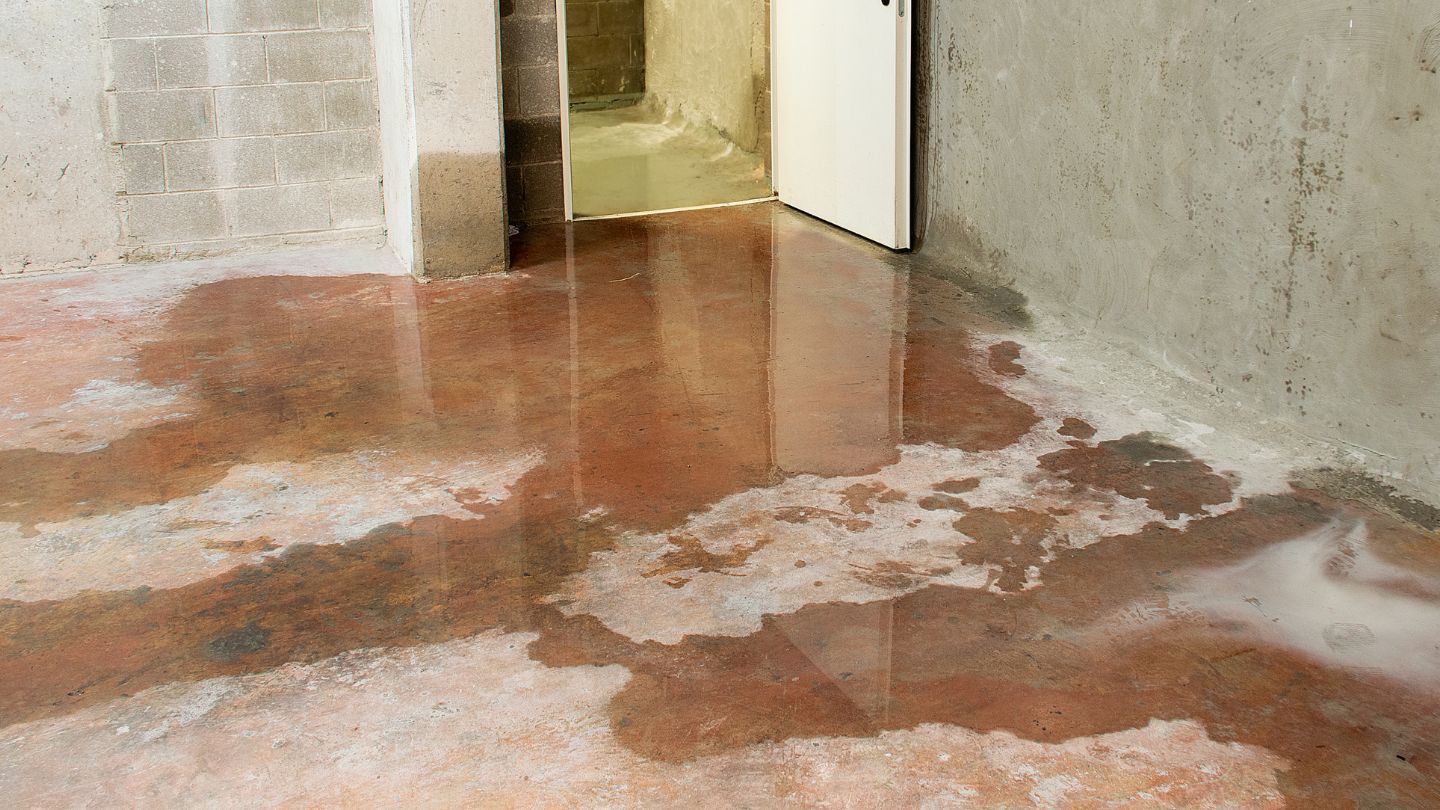
If you notice water pooling around your hot water cylinder or hear dripping sounds, it’s time to act. A hot water cylinder leaking from the tank itself can quickly lead to catastrophic water damage. Immediate action is essential to prevent further destruction to your home. Call a professional plumber who can assess whether a simple repair will suffice or if a full hot water cylinder replacement is necessary.
2. No Hot Water
The most common complaint homeowners experience is unreliable or missing hot water. A complete lack of hot water signals a potentially serious internal problem, often caused by a failed heating element, thermostat faults, or issues with the gas burner on gas systems.
Watch out for inconsistent water temperatures can be a sign of trouble. If the water is hot sometimes but not others, it could indicate sediment buildup insulating the heating element or a faulty tempering valve, which regulates the temperature of the water.
A faulty tempering valve is another common culprit for fluctuating temperatures. If the heat fluctuates without warning, it’s a clear sign that something inside the system is starting to fail.
3. Hot Water Is Discoloured
Discoloured hot water, particularly rusty, brown, or yellow water, is an easy-to-spot warning sign of internal corrosion. If this occurs only from the hot taps, it likely indicates that the inside of your cylinder is corroding. Corrosion inside the tank can lead to further damage, eventually causing the tank to leak or fail entirely. If left unaddressed, it can result in a costly replacement or significant damage to your home.
4. Rumbling Noises
Rumbling noises coming from your hot water cylinder are a sign of sediment buildup (often from limescale) at the bottom of the tank. Over time, this sediment traps heat, causing water underneath it to boil, which creates loud, unsettling noises.
This buildup can decrease the efficiency of your system, increase energy costs, and even lead to overheating, causing internal damage. Sediment buildup is one of the leading causes of premature cylinder failure.
How Long Do Hot Water Cylinders Last? Know When to Replace Yours
How old is your cylinder? If it’s been in service for 8 to 12 years, it may be nearing the end of its usable life. Various factors, such as water quality, sediment buildup, and regular maintenance (like anode rod replacement), can affect how long your cylinder lasts. If your unit is within this age range and showing other signs of wear, it’s time to call a professional for a full assessment.
What to Do When You Suspect Your Hot Water Cylinder Is Broken
If you notice a major leak or other signs of failure, immediately turn off the water supply at the main valve and switch off the cylinder’s power at the switchboard. Ignoring signs of a broken hot water cylinder can lead to flooding, higher energy bills, or even total system failure.
Always call a licensed professional to ensure accurate leak detection. Flowpro’s certified plumbers specialize in diagnosing whether your cylinder needs a repair or full replacement, with deep knowledge of Auckland’s water pressure and quality conditions.
Frequently Asked Questions (FAQs)
What is the most common warning sign of a broken hot water cylinder?
The most frequent and urgent signs are leaking water or a complete lack of hot water. A leak, especially from the tank itself, indicates a critical failure of the internal liner, while no hot water typically points to a failed heating element (electric) or gas burner (gas). Addressing these issues immediately is crucial, as they can quickly lead to significant water damage or leave your household without an essential service.
Should I repair or replace my hot water cylinder?
The decision depends on the source of the problem and the age of your unit. Leaks originating from the tank itself almost always require a full replacement, as the internal corrosion cannot be repaired. However, issues like a leaking pressure relief valve, a faulty thermostat, or a broken heating element can often be fixed cost-effectively. Our professionals can assess the damage and your cylinder’s age to advise on the most economical long-term solution.
Why is the water discoloured?
Discoloured hot water, usually a brown, yellow, or rusty tint, is a clear sign of internal corrosion. This happens when the protective anode rod depletes and the cylinder’s inner glass or steel lining begins to rust. This corrosion not only affects your water quality but also weakens the tank, making it prone to leaks and eventual failure. If you see this only from your hot taps, the cylinder is almost certainly the source.
What is the minimum safe temperature for hot water?
To prevent the growth of dangerous Legionella bacteria, hot water should be stored at a minimum of 60°C in the cylinder. It’s important to note that water at this temperature can cause scalding, which is why a tempering valve is used to mix it down to a safer temperature (usually around 45-50°C) before it reaches your taps. This ensures safety from both bacteria and burns.
Suspect a Broken Hot Water Cylinder? Don’t Wait for a Flood!
A broken hot water cylinder can cause serious water damage to your property, resulting in expensive repairs. Flowpro Plumbers & Gasfitters are the experts Auckland homeowners turn to for safe, reliable hot water solutions. Our certified team with over 15 years of trusted experience, will ensure your system is back up and running without delay.