Is a ticking time bomb hidden inside the walls of your Auckland home? For many properties built or renovated during the late 1970s and 1980s, the answer could be a resounding yes, thanks to a plumbing product known as the Dux Quest plumbing pipe. This once-popular system is now a notorious failure risk, threatening homes with sudden leaks and severe water damage.
This guide will walk you through everything you need to know. We’ll cover how to identify a Dux Quest water pipe in your home, understand the science behind why it fails so catastrophically, and outline the critical steps you can take to protect your largest investment.
What Is a Dux Quest Plumbing Pipe?
A Dux Quest pipe is a brand of grey or black polybutylene (PB) plastic plumbing system that was widely installed as a cost-effective alternative to copper.
- It was a popular choice for water supply lines in thousands of New Zealand homes from the late 1970s until it was withdrawn from the market in the late 1980s.
- Its prevalence during this building boom period means it remains a widespread, hidden issue in suburbs across Auckland today.
Why the Dux Quest Pipe is Prone to Failure
The failure of Dux Quest isn’t a matter of poor installation, but a fundamental flaw in its material. The core problem is a chemical reaction between the chlorine present in public water supplies and the polybutylene plastic itself.
- This reaction causes the plastic to become brittle and micro-fractures to form from the inside out, severely weakening the pipe’s structural integrity. As the pipe deteriorates, it can also shed small flakes of plastic into your water system.
- This degradation is accelerated by heat, making pipes in sun-exposed roof spaces particularly vulnerable.
- The failures are often sudden and dramatic, most frequently occurring at the joints and fittings, and can lead to major splits that release a large volume of water without warning.
- These plastic flakes, combined with the inevitable pipe failures, often lead to blockages that require professional drain repair or an outright full plumbing system replacement.
How to Identify a Dux Quest Water Pipe in Your Home
Identifying Dux Quest pipes is the first step in protecting your home. Here’s a simple guide on what to look for:
- Colour: The pipes are most commonly a distinctive grey or black colour.
- Markings: Look for the words “DUX QUEST” or “QUEST DUX” stamped in white lettering along the pipe’s surface. Be aware that this printing can fade over decades.
- Location: Common places to check include the roof space, under the floor, and near the water cylinder.
If you’re unsure, don’t gamble. Our certified plumbers use advanced leak detection to identify Dux Quest and locate any failures in minutes.
The Risks of a Failing Dux Quest System
Ignoring a Dux Quest plumbing system is a significant risk. The consequences of failure are severe and multifaceted:
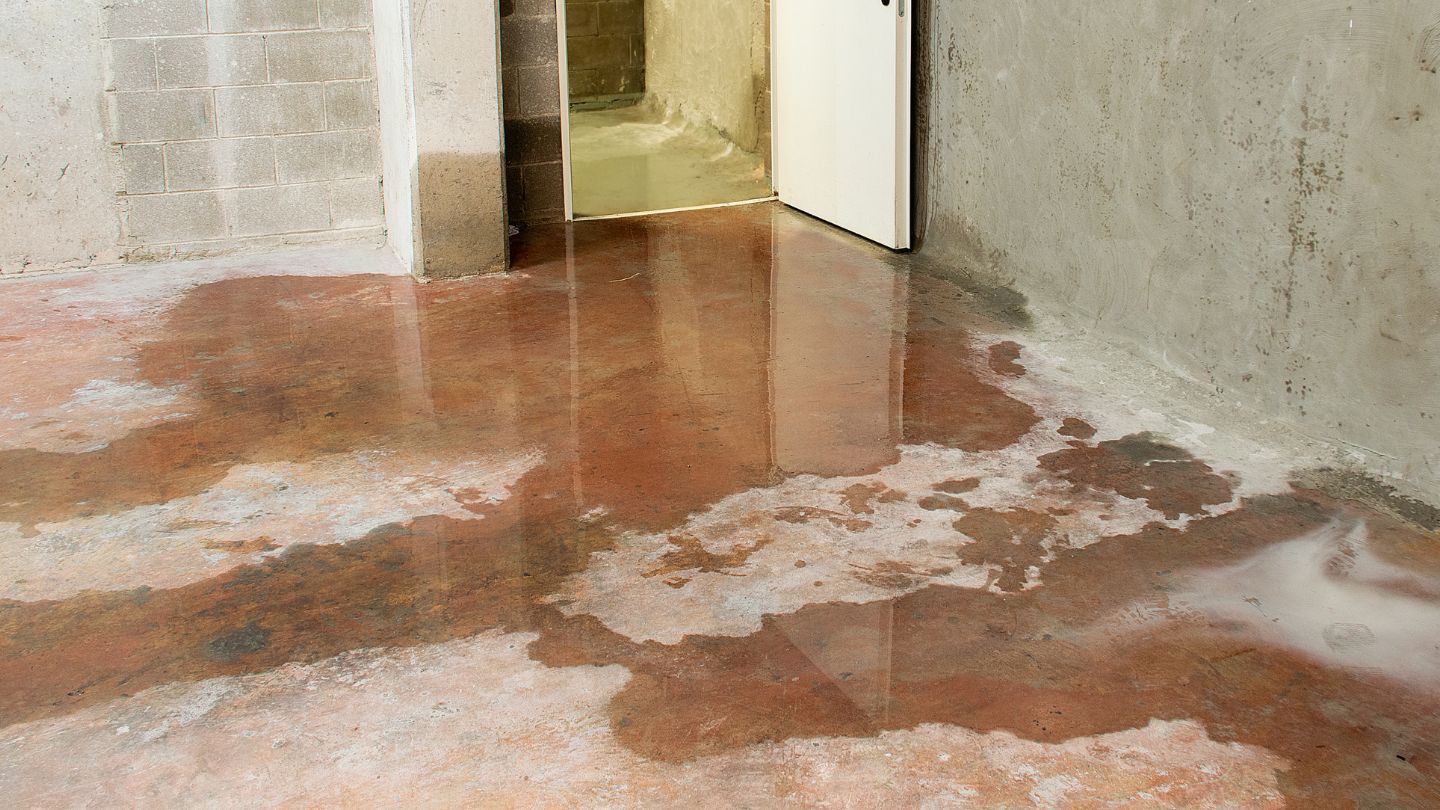
- Catastrophic Water Damage: A sudden burst pipe can flood your home, causing extensive damage to walls, ceilings, and flooring, and requiring an immediate emergency plumber.
- Mould and Health Hazards: Persistent, hidden leaks and more visible leaking showers, toilets, or taps create a damp environment perfect for toxic mould growth, leading to serious respiratory health issues.
- Insurance Complications: Many insurance companies will not cover water damage caused by a known faulty system like Dux Quest, viewing it as a pre-existing maintenance issue. This could leave you solely responsible for all repair costs.
- Plummeting Property Value: Dux Quest plumbing pipes are a major red flag for prospective home buyers and can severely impact your property’s marketability and value.
The Only Permanent Solution: Full Replacement
When it comes to Dux Quest, spot-fixing a leak is merely a temporary and costly delay. The entire system is compromised and will continue to fail at other points.
The only way to restore safety and peace of mind is with a full re-pipe of your home’s plumbing using modern, durable materials like PEX or copper.
At Flowpro, we make this process straightforward:
- Inspection: We conduct a thorough assessment to confirm the presence of Dux Quest and plan the new system.
- Fixed-Price Quote: You will receive a detailed, transparent quote with no hidden costs.
- Efficient Replacement: Our certified team executes the re-pipe with precision and minimal disruption to your home and routine.
- Certification: We provide certification for the new system, giving you proof of compliance and peace of mind for the future.
Frequently Asked Questions
What years were Dux Quest pipes used?
Dux Quest pipes were primarily installed in New Zealand homes from approximately 1978 to 1987. This period was a significant building boom, meaning thousands of properties across Auckland, particularly in the North Shore and Hibiscus Coast areas, could be affected.
Will my home insurance cover damage?
Many insurance policies may deny claims for water damage caused by Dux Quest pipes. Insurers classify them as a known fault with a history of failure, and they expect homeowners to proactively manage such risks. A full, certified replacement is the best way to ensure your home remains insurable and protected.
How much does it cost to replace Dux Quest pipes?
The cost for a full home re-pipe can range from $5,000 to $15,000 or more, depending on several key factors. These include the size of your house, the number of bathrooms, accessibility (e.g., concrete slab vs. easy subfloor access), and the replacement material chosen. At Flowpro, we provide detailed, fixed-price quotes after an inspection so you have complete cost certainty.
How long does a full re-pipe take?
For an average Auckland home, a full re-pipe typically takes between 2 to 5 days. Our efficient teams work systematically to minimise disruption, often completing the house in zones. Larger or more complex properties may require a longer timeline, which we will outline in your quote.
Do you really need to replace polybutylene pipes?
Yes, absolutely. The failure is not a matter of if but when. Due to the fundamental chemical incompatibility with chlorinated water, the entire polybutylene system becomes brittle and will eventually fail. Spot repairs are a temporary fix on a system-wide problem; full replacement is the only way to guarantee your home’s safety and prevent catastrophic damage.
What is the best replacement for polybutylene pipes?
Modern PEX (cross-linked polyethylene) is an excellent replacement choice. It is flexible, highly durable, resistant to scale and chlorine, and cost-effective. Copper remains a premium, long-standing option known for its longevity. A licensed Flowpro plumber can assess your home and recommend the ideal material for a long-lasting solution.
Don’t Gamble With Your Home’s Safety
Dux Quest and polybutylene pipes represent a documented and severe risk to your property. Waiting for a leak to occur is the most expensive and disruptive approach. Proactive replacement is a strategic investment that protects your home’s value, ensures your insurance coverage, and provides ultimate peace of mind.
As a trusted local business and member of Master Plumbers, Flowpro has the specific certification and experience to efficiently resolve this issue with minimal disruption. Contact Flowpro now to have our certified plumbers assess your home. We’ll provide a clear, honest assessment and a transparent quote to secure your plumbing system for the future.
Schedule your free, no-obligation Dux Quest inspection today.