Water leak detection in New Zealand typically costs between $150 and $500, depending on the location of the leak, property type, and tools required. Repair costs vary based on the extent of the damage, but fixing a minor leak is usually far cheaper than repairing hidden or underground pipes.
Understanding these price ranges helps you plan your budget and act before minor leaks turn into costly water damage. This guide explains how leak detection works, what influences the total cost, and the steps you can take to keep your plumbing system protected and efficient.
How to Identify Water Leaks in Your Home?
Water leaks in New Zealand homes can range from simple dripping taps to complex hidden pipe issues. Ignoring even a minor leak can lead to costly repairs later. Early detection helps you control both damage and expenses.
Common signs of a water leak include:
- Unexplained increases in your water bill
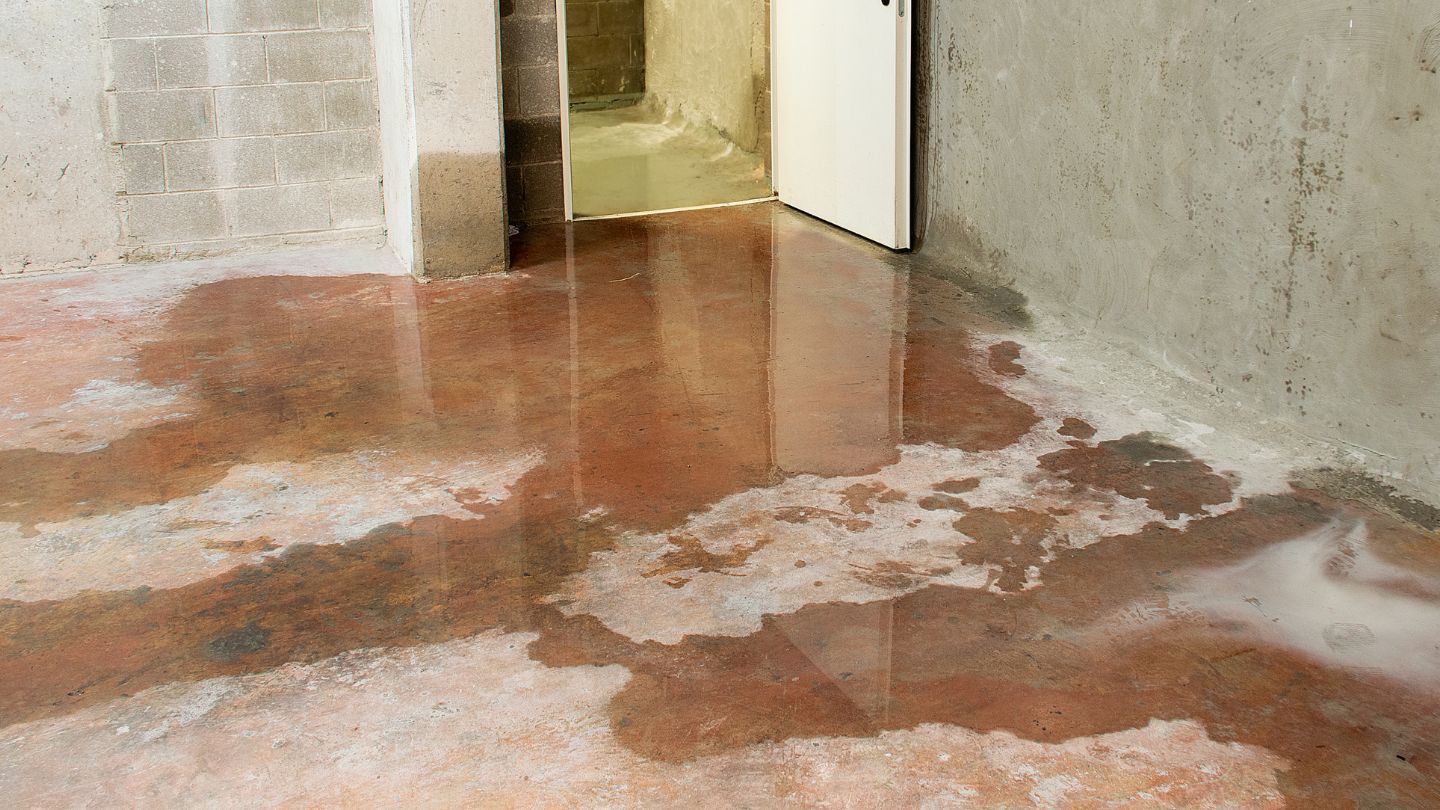
- Damp or discoloured walls, ceilings, or floors
- Musty smells or visible mould growth
- Constant dripping sounds or low water pressure
New Zealand’s wet winters can make small leaks worse, especially in older homes with ageing pipes. If you notice any of these warning signs, contact a licensed plumber to inspect and repair the issue before it spreads.
What Affects the Cost of Water Leak Detection and Repairs?
Several factors influence the cost of water leak detection & repairs in New Zealand. While no two situations are identical, it helps to understand what typically drives the price.
1. Location and accessibility
If your leak is hidden beneath a concrete floor or tucked away behind a wall, it can be more difficult to investigate. Plumbers may need specialised gear or additional labour to pinpoint and access the faulty pipe. That extra effort pushes up costs.
2. Type of leak
A slow leak from a worn-out tap washer is usually cheaper to fix than a compromised underground pipe. Material quality, water pressure, and general usage patterns also affect the likelihood and severity of a leak.
3. Existing damage
Signs of significant damage, such as warped floors or large areas of damp drywall, raise the repair scope. Not only do you need to fix the source of the leak, but also replace or restore any damaged surfaces, quickly adding to the overall bill.
4. Tools and technology used
Professional plumbers now rely on advanced detection tools, such as acoustic listening devices and thermal imaging. While these methods save you time and reduce guesswork, they can increase the upfront cost of the service.
5. Urgency of service
Do you need someone right away to stop water streaming into your kitchen? Emergency plumbing services or after-hours calls typically come with a higher rate. If you can wait for standard business hours, you may reduce the cost.
Common Types of Water Leak Detection Methods
Knowing how a plumber identifies the source of a leak can bring transparency to your invoice. Here are the most common methods professionals use in New Zealand.
1. Acoustic listening devices
An acoustic device amplifies sound within walls or under floors to pinpoint unusual water flow or dripping. This method is quick and non-invasive, making it a go-to option for many professionals.
2. Thermal imaging
Thermal imaging cameras detect subtle temperature variations and can spot hidden leaks behind walls or under slabs. They are especially helpful for locating hot water leaks in pipes.
3. Pressure testing
Pressure testing involves closing off all water outlets and monitoring the pressure in the plumbing system. If the pressure drops consistently over a short period, there is likely a leak somewhere in the network.
4. Moisture meters
Moisture meters are handheld devices that measure dampness in walls, floors, or ceilings. They can indicate the exact spots of higher moisture content, guiding the plumber to the potential leak.
These technologies reduce guesswork, limit damage to your property, and make leak detection faster and more accurate.
Average Cost of Water Leak Detection in New Zealand
The cost of water leak detection in New Zealand varies depending on the leak’s location, complexity, and the plumber’s equipment and experience. Understanding the typical price range helps you budget confidently and avoid unexpected expenses.
Standard call-out fees
Most plumbers charge a call-out fee that covers travel and the first 30–60 minutes of work. This fee generally ranges between $80 and $150, depending on your region and the company’s service level.
Diagnostic or equipment fees
If specialised tools such as acoustic sensors or thermal imaging cameras are needed, expect an additional diagnostic fee. While this increases the upfront cost, it provides faster and more accurate leak detection, saving money on unnecessary excavation or repeat visits.
Estimated price range
For standard residential jobs, water leak detection typically costs between $150 and $500. Simpler leaks are on the lower end, while leaks hidden behind walls or under concrete can be more expensive. Always request a detailed quote that includes both labour and diagnostic charges before work begins.
Accurate detection not only prevents further water damage but also keeps your overall repair costs lower in the long run.
How Much Does Water Leak Repair Cost in New Zealand?
The cost of repairing a water leak in New Zealand depends on the location of the leak, the amount of damage, and the work required to restore your plumbing. Once a plumber identifies the source, the total can range from a small repair fee to a full re-piping cost.
Minor repairs
Simple issues such as a dripping tap, loose fitting, or damaged joint are the cheapest to fix. You’ll typically pay between $150 and $300, including labour and parts. These repairs are quick and usually completed within an hour.
Moderate to extensive repairs
If the leak is hidden behind walls, under flooring, or part of a burst pipe, costs are higher due to the added labour and materials. Prices for these repairs usually range from $400 to $1,000, depending on access and restoration work.
Major replacements or full re-piping
Older homes with corroded or leaking pipes may need full or partial re-piping. This can cost $2,000 to $5,000 or more, depending on property size and pipe layout. While it’s a bigger investment, it helps prevent future leaks and water damage.
Getting multiple quotes from licensed plumbers ensures you receive a fair price and a clear understanding of what’s included in the service.
How to Prepare Before a Plumber Visit?
Taking a few simple steps before your plumber arrives can save time and help ensure the job runs smoothly. Preparation also gives the plumber a clearer understanding of the problem, which can make the repair more efficient and cost-effective.
- Gather information about your leak: Jot down when you first noticed it, any changes in water pressure, and how quickly you see water pooling.
- Take photos or videos: Visual records help you track how the leak is evolving. They also give the plumber a better idea of the problem before they arrive.
- Check your insurance: Certain policies may cover leak-related damage, particularly if you act promptly. Knowing your coverage upfront can help minimise stress.
- Create an unobstructed workspace: Clear any furniture or stored items around the suspected leak area. That way, the plumber can get to work quickly.
Being organised before your appointment helps minimise delays, ensures accurate quotes, and allows your plumber to complete the job efficiently.
Frequently Asked Questions
How do I know if I have a hidden water leak?
Look for sudden spikes in your water bill, damp spots on walls or ceilings, or musty odours in rooms that do not typically get wet. Another easy indicator is shutting off all water-based appliances, then checking your water meter. If the meter keeps ticking, you likely have a hidden leak.
Is it cheaper to do leak repairs myself?
DIY might appear to save money at first, but it can also worsen the problem if you lack plumbing experience. You risk damaging your pipes further or missing secondary leaks. A professional plumber has the right tools and know-how to diagnose and fix the issue correctly.
Can I prevent water leaks in the first place?
Regularly inspecting areas prone to moisture and keeping an eye on your monthly water bill can help you catch small issues early. Also, schedule professional maintenance where a plumber can spot early warning signs, such as wobbly toilet fittings or corroded pipe connections.
Will investigating water leaks damage my home?
Modern leak detection methods reduce the need to tear up floors or dig into wall cavities. While some situations still require opening up structural elements, plumbers often use tools like thermal imaging or acoustic devices to minimise invasive work.
Need Expert Help With Water Leak Detection and Repairs?
Protect your home and budget by dealing with water leaks before they cause major damage. Flowpro’s licensed plumbers use advanced detection tools and proven repair methods to locate leaks quickly and restore your plumbing system efficiently.
Whether it’s a small leak or a burst pipe, our team provides accurate quotes, fast response times, and lasting results for homes across New Zealand.
For professional leak detection and repairs, contact Flowpro today at 09 802 4984 or email plumbing@flowpro.co.nz to book your service.